






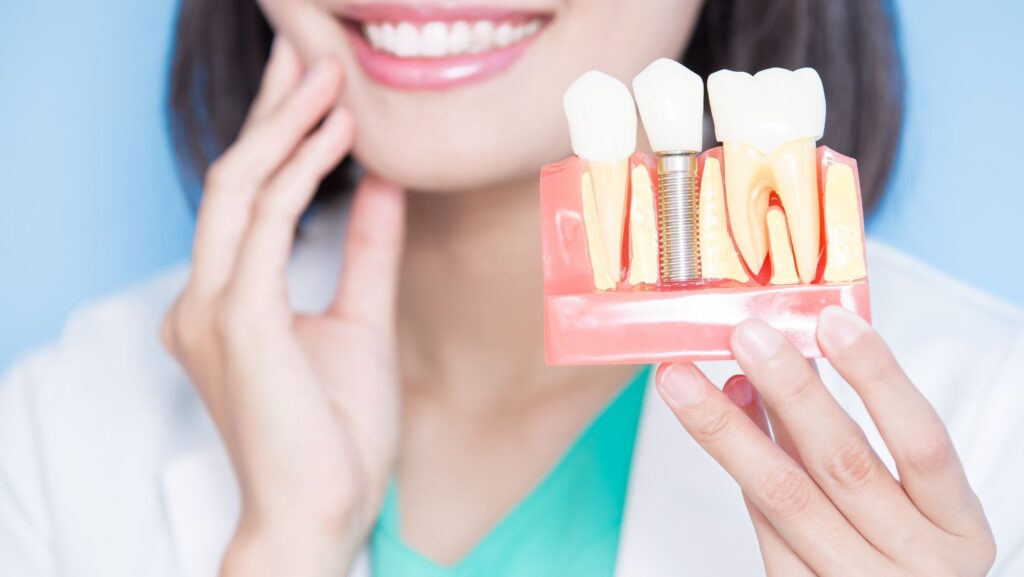
Missing teeth affect more than your smile — they can change how you eat, how your jaw ages, and even influence your body’s inflammation levels. Dental implants restore chewing strength, preserve jawbone health, and help reduce risks associated with poor oral function, supporting your overall well-being.
You will learn how oral health connects to conditions such as heart and digestive problems, the specific health benefits implants provide, and why choosing implants can improve long-term wellness and quality of life. If you are exploring treatment options, consulting a qualified dental implant specialist in Salt Lake City ensures your care plan is designed to protect both your oral health and your overall health for years to come.
Link Between Oral and Overall Health
Your mouth can affect parts of your body beyond your teeth. Problems in the mouth can change inflammation, nutrition, and the health of your heart and lungs.
Connection to Systemic Diseases
Bacteria from infected gums can enter your bloodstream during everyday activities like brushing or chewing. Once in circulation, these bacteria and their toxins can reach the heart and blood vessels, raising your risk for conditions such as endocarditis and contributing to atherosclerosis.
People with diabetes often see worse gum disease, and severe gum infections can make blood sugar harder to control. That creates a two-way problem: poor oral health worsens diabetes control, and uncontrolled diabetes makes infections more likely. Regular dental care and treating gum disease help lower these risks.
Impact on Inflammation
Chronic gum infection keeps your immune system active and raises levels of inflammatory markers, like C-reactive protein. High systemic inflammation links to higher chances of heart attack, stroke, and other chronic diseases.
Treating oral infections, including removing sources of infection or restoring missing teeth with implants, reduces local inflammation in the mouth. Lower oral inflammation can contribute to lower systemic inflammatory markers, which helps protect organs that suffer when inflammation stays high.
Role in Digestive Health
Missing teeth or unstable dentures make chewing inefficient. Poor chewing leads you to swallow larger, less-processed food pieces, which can strain digestion and reduce nutrient absorption.
Dental implants restore chewing force and bite stability close to natural teeth. That lets you eat a wider variety of foods, including fruits, vegetables, and proteins that support overall nutrition. Better nutrition supports healing, immune function, and energy levels.
Health Benefits of Dental Implants
Dental implants protect bone, help you chew a wider range of foods, improve speech, and keep nearby teeth stable. They work like real tooth roots to restore function and reduce long-term problems that arise after tooth loss.
Preservation of Jawbone Structure
When you lose a tooth, the jawbone where the root sat begins to shrink because it no longer gets regular pressure from chewing. A dental implant acts like a tooth root and sends mechanical signals to the bone. This stimulus slows or stops bone loss and helps maintain the original jaw shape.
Keeping bone height matters for your face shape and for placing future restorations. Implants also preserve the ridge so crowns and bridges fit better and last longer. Proper oral hygiene and regular dental visits support long-term bone health around the implant.
Restoration of Proper Nutrition
Missing teeth limit the foods you can chew comfortably, especially nuts, raw vegetables, and lean meats. Implants restore chewing force close to that of natural teeth, letting you eat a broader, more nutritious diet.
Better chewing helps you break down food properly, which improves digestion and nutrient absorption. That supports energy, immune function, and healing. If you have multiple missing teeth, implants or implant-supported dentures give stable chewing across the bite rather than forcing you to rely on one side.
Improvement in Speech and Confidence
Gaps or loose dentures can change how you form sounds, making speech slurred or causing clicking noises. Fixed implants hold replacement teeth firmly in place so you can pronounce words clearly and speak without worrying about movement.

A secure, natural-looking smile often boosts confidence in social and work situations. You may smile more, participate in conversations, and feel less self-conscious about your teeth. Those social and emotional gains can also reduce stress and improve overall wellbeing.
Support for Adjacent Teeth
When a tooth is missing, neighboring teeth can tilt or drift into the gap over time. That movement changes your bite and creates areas that are hard to clean. Placing an implant fills the space and keeps adjacent teeth in their proper positions.
Stable tooth alignment reduces abnormal wear and lowers the risk of cavities and gum disease in those teeth. You avoid the chain reaction that can lead to more tooth loss and more complex dental work later. An implant preserves both function and the health of surrounding teeth.
Long-Term Wellness and Quality of Life
Dental implants protect jawbone structure, restore chewing and speech, and reduce the chance of future dental problems. They also affect your general health, daily function, and emotional well‑being in clear, measurable ways.
Reduction of Chronic Health Risks
Missing teeth and poor chewing can force you to eat softer, processed foods that are lower in fiber and nutrients. This shift can raise your risk for weight gain, type 2 diabetes, and cardiovascular problems. Implants restore stable chewing, so you can eat a wider range of fruits, vegetables, and lean proteins that support healthy blood sugar and lipid levels.
Implants also preserve the jawbone. Bone loss from missing teeth changes facial structure and can make dentures fit poorly, increasing irritation and infection risk. By keeping bone and bite alignment stable, implants lower the chance of chronic oral inflammation that can contribute to systemic inflammation.
Enhanced Physical Functionality
You regain biting force close to natural teeth with implants. That lets you bite into firmer foods — like apples, nuts, and lean meats — which improves nutrient intake and digestion. Better nutrition supports energy, muscle maintenance, and immune function.
Speech often improves because implants hold restorations in fixed positions. Clearer speech helps you communicate at work and in social settings without compensating or avoiding words. Implants also reduce the need for frequent dental repairs or replacements, saving time and reducing the physical strain of repeated dental procedures.
Support for Mental Well-Being
Losing teeth can lower self-confidence and make you avoid social situations. Implants restore a more natural smile and facial support, so you feel more comfortable speaking and smiling in public. That ease can reduce social isolation and stress.
Studies show patients often report better emotional health after getting implants. You also gain long-term peace of mind from a stable solution that lasts years with proper care. This reliability helps reduce anxiety about future dental problems and supports better day-to-day mood and focus.