




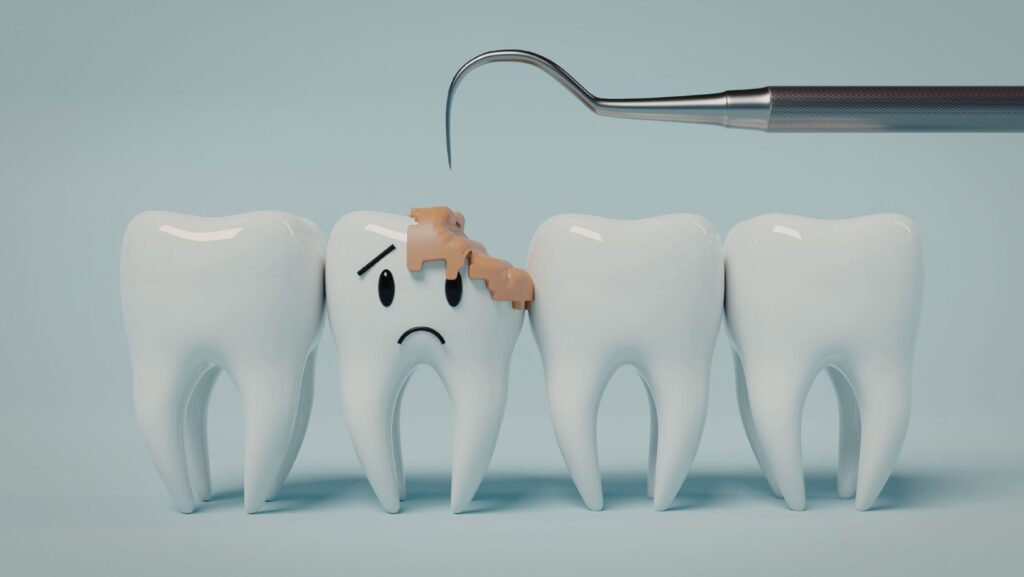
Losing teeth changes how you eat and what you can eat. You may avoid crunchy fruits, tough meats, or fibrous vegetables because chewing hurts or feels awkward. This often leads to poor nutrient intake, weight changes, and higher risk for conditions like digestive trouble, obesity, or deficiencies.
You will learn how missing teeth affect chewing, food choices, and digestion, and how those changes can ripple into broader health problems. The next sections explain the direct effects on nutrition, the health consequences of missing key nutrients, and the wider impacts on your overall health.
Direct Effects of Tooth Loss on Nutrition
Tooth loss changes what you can chew, the nutrients you get, and how you plan meals. These changes can raise your risk for nutrient gaps, weight shifts, and digestive issues.
Difficulty Chewing and Food Choices
When you lose teeth, biting and grinding become more difficult. You may start avoiding tougher foods like steak, raw vegetables, and nuts because they require stronger chewing. As a result, you might rely more on soft, processed foods that feel easier and safer to eat.
Many people turn to options such as mashed potatoes, canned fruits, refined breads, and pureed meals. While these foods reduce chewing effort, they often contain higher amounts of added sugars and refined starches.
Dentures or implants can improve function, but not all restorations fully restore natural bite force. If your prosthetic feels unstable or limits your diet, exploring advanced teeth replacement options in Honolulu can help restore strength, comfort, and confidence in your daily meals. Talk with your dentist about adjustments or long-term solutions that improve both function and nutrition.
Reduced Nutrient Intake
Losing teeth commonly lowers your intake of protein, fiber, vitamins A and C, and minerals like iron and zinc. Hard-to-chew foods such as lean meats, raw fruits, and crisp vegetables are frequent sources of these nutrients.
Over time, missing those foods can cause measurable nutrient gaps. For example, less fruit and vegetable intake can reduce vitamin C and folate. Cutting out meat or beans can lower protein and iron, which can affect energy and healing.
You can reduce nutrient loss by choosing softer nutrient-dense options. Examples: cooked legumes, canned fish, steamed vegetables, smoothies with leafy greens, and finely chopped lean meats.
Changes in Dietary Patterns
Tooth loss often shifts meal structure and portion choices. You might eat more snacks or processed convenience foods because they require less preparation and chewing. That can increase calories from sugars and refined carbs.
Some people compensate by eating more high-calorie soft foods, raising obesity risk. Others eat less overall and face weight loss or malnutrition, especially older adults. Both patterns affect digestion and long-term health.
Practical changes—like meal planning, using texture-modified recipes, and working with a dietitian—help stabilize diet quality. Small swaps, such as replacing sugary soft snacks with smoothies made from fruit and yogurt, can make a big difference.
Health Consequences of Nutritional Deficiencies
Tooth loss can change what you eat and how well your body gets nutrients. That can lead to specific harms like poor weight or muscle loss, weaker infection defense, and higher chances of long-term illnesses.
Risk of Malnutrition
When you lose teeth, you may stop eating hard-to-chew foods like meat, raw vegetables, and fruit. Those foods supply protein, iron, vitamin C, and fiber. Cutting them out can cause unintended weight loss, muscle wasting, low iron (anemia), and low vitamin C.
Watch for these signs:
- Unplanned weight loss or clothes fitting looser.
- Tiredness, pale skin, or frequent lightheadedness (possible anemia).
- Slower wound healing or frequent mouth sores.
If you have dentures, they may not restore chewing fully. That raises the risk of poor intake in older adults, especially if you already have other health problems or take medicines that affect appetite.
Impacts on Immune Function
Protein and micronutrients like zinc, vitamin A, vitamin C, and B vitamins support immune cells. If your diet lacks these after tooth loss, your immune response weakens. That makes infections more likely and recovery slower.
You might notice more colds, longer-lasting infections, or slow-healing oral ulcers. Low protein reduces immune cell production. Low vitamin C and zinc reduce wound repair and antioxidant defenses. Meeting protein and micronutrient needs helps your immune system work normally and lowers infection risk.
Chronic Disease Risk
Poor diet after tooth loss can raise your chance of chronic diseases over time. Cutting fibrous fruits and vegetables and eating softer processed foods can increase sodium, added sugars, and unhealthy fats in your diet. These changes raise risk factors like high blood pressure, high blood sugar, and high cholesterol.
Specific risks to watch for:
- Higher blood pressure from salty processed foods.
- Increased blood sugar and weight gain from refined carbs.
- Greater risk of cardiovascular disease and type 2 diabetes over years.
Managing chewing ability, choosing softer nutrient-dense foods (e.g., cooked vegetables, lean minced meats, beans), and working with a dentist or dietitian can reduce these risks and help you meet nutrient needs.
Broader Health Impacts of Tooth Loss
Missing teeth can change how you eat, how your body digests food, and how you feel day to day.
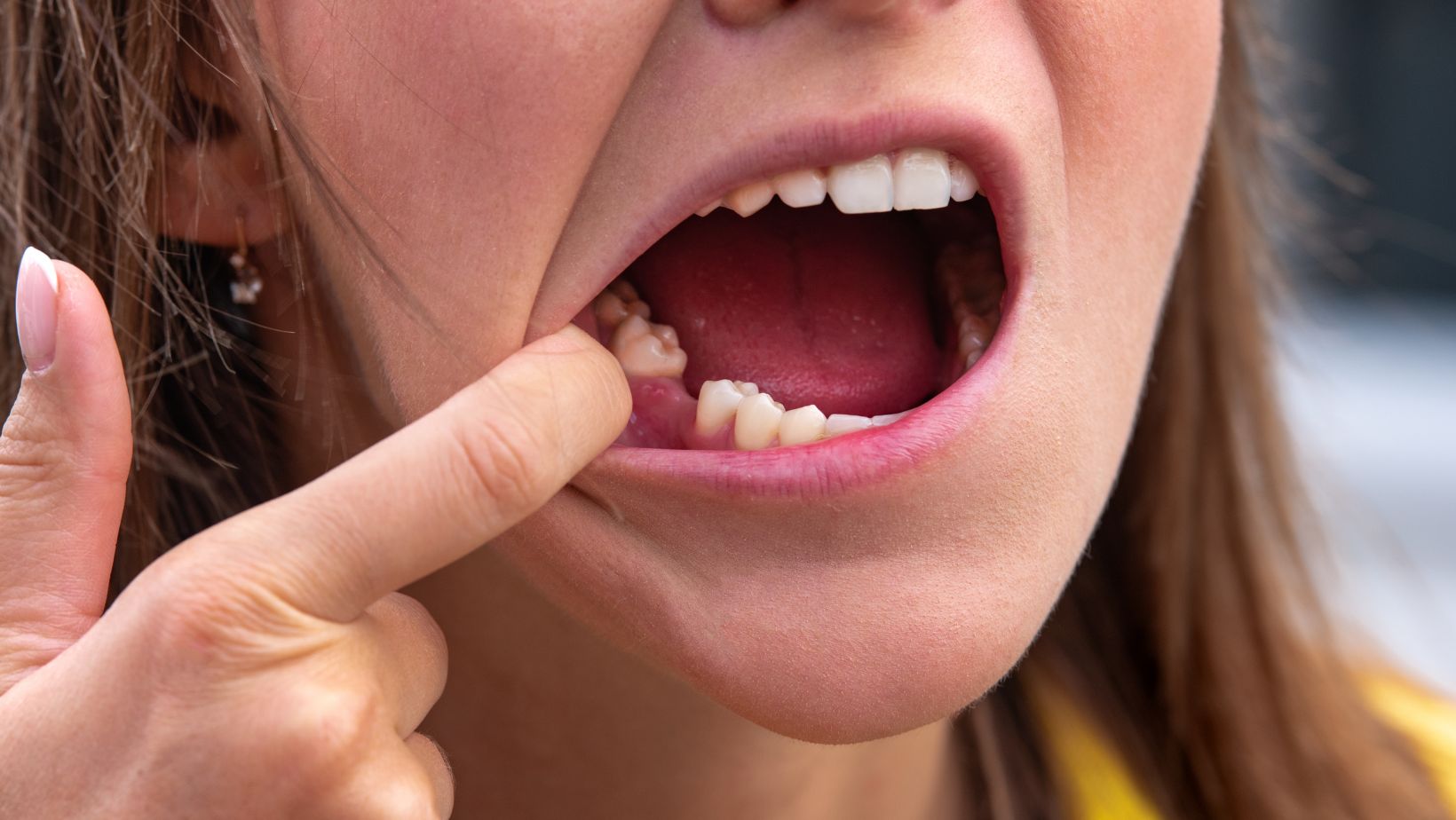
These changes can affect digestion, thinking skills, and your social and emotional life.
Gastrointestinal Issues
When you lose teeth, your chewing power drops. You may avoid tough foods like raw vegetables, nuts, and lean meats. That limits fiber and protein in your diet, which can slow bowel movements and lead to constipation.
Poor chewing also means larger food particles enter your stomach. Larger particles take longer to break down, which can cause bloating, gas, and less efficient nutrient absorption. Over time, this can reduce levels of vitamins and minerals such as iron, vitamin B12, and calcium.
If you rely on soft, processed foods, you may take in more refined carbohydrates and fats. That raises the risk of weight gain, blood sugar swings, and digestive inflammation. Replacing missing teeth or using properly fitted dentures helps restore chewing and eases these problems.
Cognitive Health Implications
Tooth loss links to changes in brain health through diet and inflammation. If tooth loss reduces your intake of omega-3s, B vitamins, and protein, your brain may lack nutrients that support memory and thinking.
Chronic oral inflammation from periodontal disease can increase systemic inflammation. Higher inflammation markers are associated with faster cognitive decline and greater risk of dementia in some studies. You should treat gum disease and replace missing teeth to reduce inflammation and maintain nutrient intake.
Social withdrawal after tooth loss can cut mental stimulation and conversation, which also affects cognitive function. Staying socially active, keeping a varied diet, and seeking dental care can help lower these risks.
Overall Quality of Life
Missing teeth often change how you speak and smile. You might feel embarrassed, which can lower your confidence at work and in relationships. That can lead to social avoidance and fewer opportunities for support.
Daily tasks can become harder. Eating takes more time or becomes less enjoyable. You may need to avoid restaurants or foods you once liked, which affects your lifestyle and happiness.
Treatment options like implants, bridges, or well-fitting dentures can restore appearance and function. Choosing the right option improves eating, speech, and self-esteem, and it reduces the chance of further oral health problems.