







You can avoid many emergency dental visits by staying with a family dentist who knows your history and catches problems early. Family dentists provide regular checkups, cleanings, and simple fixes that stop small issues from becoming painful crises. Keeping a steady relationship with one dental team cuts your risk of urgent, costly trips to the emergency room.
You will also get coordinated care for every age in your household, so kids and adults get the right prevention and fast treatment when needed. The next sections will show how routine visits, broad services, and long-term planning work together to keep you out of the ER and save time and money.
The Role Of Family Dentistry In Preventive Care
Family dentistry keeps your whole family on a steady plan of checkups, screening, and daily care tips so small problems don’t become painful emergencies. It focuses on cleanings, early problem spotting, and tailored education for each age and health need.
Routine Dental Exams And Cleanings
You should visit a family dentist every six months for routine exams and cleanings, unless your provider recommends a different schedule based on your needs. During these appointments, hygienists remove plaque and tartar from the teeth and along the gumline, reducing your risk of cavities and gum disease—two common causes of sudden pain and emergency visits.
Exams also involve evaluating existing fillings and crowns, checking for signs of decay, and taking X-rays when necessary. Your dentist can adjust your care plan according to your medical history, medications, or life changes such as pregnancy or diabetes. Consistent checkups allow problems to be addressed early, lowering the likelihood of urgent or complex treatment later. Scheduling regular visits with a trusted dentist in Ocala, FL helps maintain long-term oral health and keeps unexpected dental issues to a minimum.
Early Detection Of Dental Issues
Family dentists look for small signs that often come before pain: tiny cracks, early decay between teeth, gum inflammation, and bite changes in children. Spotting these early allows simple fixes like small fillings or fluoride treatment instead of root canals or extractions later.
You will get routine X-rays and bite evaluations when appropriate. For children, dentists watch tooth eruption and jaw development to recommend orthodontic checks if needed. For adults, dentists monitor wear, oral cancer signs, and effects of medications. Early detection cuts treatment time, cost, and emergency risk.
Personalized Oral Health Education
Your family dentist teaches you clear, practical steps for daily care that match your age and needs. That includes brushing methods, flossing tips, fluoride use, sealants for kids, and diet advice to reduce sugary snacks that cause cavities.
Education also covers special situations: how to care for elderly family members with dry mouth, how to protect athletes with mouthguards, or how to adjust brushing during orthodontic treatment. You leave with specific actions and timelines, not vague advice, so you can prevent problems before they require urgent care.
How Regular Visits Minimize Emergencies
Regular dental visits catch small issues early, provide treatments that stop problems from worsening, and track changes so you get care before pain or infection starts.
Identifying Potential Problems Before They Escalate
During a routine visit, your dentist inspects teeth, gums, and soft tissue for early signs of trouble. They look for tiny cavities, hairline cracks, gum inflammation, or the start of infection that you might not feel yet. X-rays and intraoral photos reveal problems beneath the surface, like decay between teeth or bone loss around roots.
Finding issues early means simpler fixes. A small filling or a focused gum cleaning prevents a root canal or tooth loss later. Your dentist also notes patterns—like bruxism (teeth grinding) or shifting bite—that predict future damage, so you avoid emergency pain and broken teeth.
Implementing Preventive Treatments
Your dentist offers specific treatments that reduce risk of urgent care. These include professional cleanings to remove hardened plaque, fluoride varnishes to strengthen enamel, and dental sealants to protect grooves in molars. They also treat minor cavities quickly so they don’t reach the nerve.
You’ll get tailored advice too: better brushing technique, flossing tips, and night guards if you grind. These practical steps cut down on decay, gum disease, and broken teeth that often lead to emergency visits. Preventive care focuses on stopping problems before they cause pain.
Monitoring Changes In Dental Health
Your dental team tracks your oral health over time with records, photos, and periodic X-rays. They compare past exams to spot trends like worsening gum pockets, enlarging cavities, or recurring infections. This ongoing watch lets them schedule timely care rather than reactive emergency fixes.
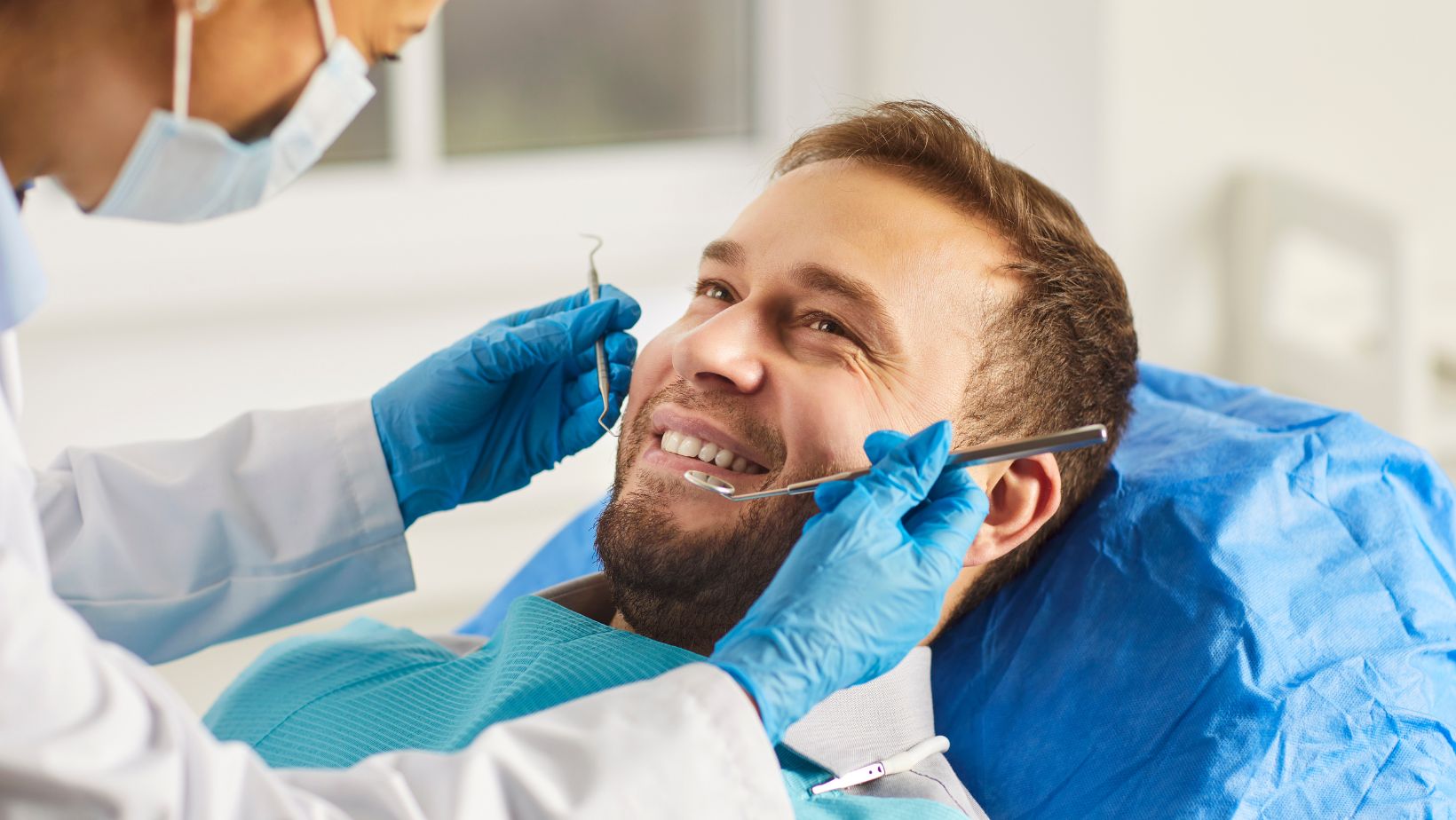
If you have medical conditions (diabetes, heart disease) or take medications that affect your mouth, your dentist adjusts the monitoring frequency. You’ll receive clear follow-up plans and reminders so small issues get handled early, reducing the chance of sudden, painful dental emergencies.
Comprehensive Services For The Whole Family
You get preventive care, routine treatment, and quick access to urgent care when needed. Those services target growth and development in children and complex health needs in adults and seniors.
Pediatric Oral Health Management
You receive age‑specific care that prevents problems before they start. Services include fluoride treatments, dental sealants to protect molars, and regular cleanings every six months to control cavities. Your child’s dentist also monitors tooth eruption and jaw development to catch bite issues early.
Behavior guidance and gentle techniques reduce fear and help children cooperate. The dentist gives you clear feeding and brushing advice, plus space‑maintainers if a baby tooth is lost early. Early visits lower the chance of sudden pain or abscesses that lead to emergency trips.
Geriatric And Adult Dental Care
You get care focused on long‑term function and comfort. Common services include fillings, crowns, gum‑disease treatment, and denture fitting or repair to restore chewing and speech. Dentists also manage dry mouth and medication effects that raise the risk of decay.
Regular periodontal checks and targeted cleanings reduce infections that can become emergencies. If you have chronic conditions like diabetes or heart disease, your dentist coordinates care and adjusts treatments to lower complication risks. Emergency slots and quick repairs for broken teeth or lost restorations help prevent pain and further damage.
Long-Term Benefits Of Family Dentistry
Family dentistry builds steady care routines and keeps records for each person. You get earlier fixes for small issues and fewer surprise visits later.
Reducing Urgent Dental Procedures
When you see the same dentist over years, small problems get spotted before they turn into emergencies. Regular cleanings and checkups catch cavities, gum inflammation, and worn fillings early. Your dentist can place sealants, apply fluoride, or replace a failing filling—steps that stop pain and infection from developing.
Kids benefit because early visits teach them to accept care and let the team treat problems sooner. For adults, ongoing monitoring of crowns, bridges, and gum health prevents sudden failures. The team’s knowledge of your dental history speeds diagnosis and avoids unnecessary tests during urgent visits.
Promoting Cost-Effective Dental Solutions
You save money when your dentist focuses on prevention and long-term planning. Simple treatments like fillings and periodontal maintenance cost far less than root canals, extractions, or emergency repairs. Your dentist can recommend staged treatments and budget-friendly options that protect teeth over time.
A family practice coordinates care across ages. That coordination reduces repetitive X-rays and duplicate records. It also lets the dentist plan restorations with future needs in mind, which means fewer redo procedures and lower lifetime costs for your family.