





You can build simple daily habits that protect every smile in your home and reduce cavities, discomfort, and unexpected dental visits. Making brushing, flossing, tooth-friendly snacks, and relaxed dental appointments part of your routine saves time, money, and stress while keeping everyone’s oral health on track.
This post explains how to create easy daily care systems, choose foods that support strong teeth, and make dental visits positive for children and adults alike. While prevention is the foundation of healthy smiles, some situations—such as advanced decay or tooth loss—may require specialized care. In those cases, consulting a qualified dental implant specialist can help restore long-term function and stability when preventive measures are no longer enough.
Establishing Daily Oral Care Routines
Build a clear plan you can follow every morning and night. Focus on proper brushing, regular flossing, and using the right products for each family member’s age and needs.
Brushing Techniques for All Ages
Use a soft-bristle brush and fluoride toothpaste for everyone over age 2. For children under 3, use a smear of fluoride toothpaste about the size of a grain of rice. For ages 3–6, use a pea-sized amount.
Brush for two minutes twice a day. Break the mouth into four sections and spend 30 seconds on each. Hold the brush at a 45° angle to the gum line and use gentle circular motions rather than hard back-and-forth scrubbing.

Help young children by guiding their hand or using a timer or an app. Replace brushes every 3 months or sooner if bristles fray. For electric toothbrushes, let the brush do the work—move it slowly along each tooth and the gum line.
Family Flossing Habits
Floss daily to remove plaque between teeth where brushes can’t reach. Start flossing a child’s teeth once two teeth touch. You can use regular floss, floss picks, or water flossers depending on dexterity and comfort.
Demonstrate proper flossing: guide the floss between teeth, curve it into a C-shape around each tooth, and slide it gently below the gum line. Use a clean section of floss for each tooth to avoid spreading bacteria.
Make flossing easier by keeping supplies handy in the bathroom and assigning a set time (for example, right after brushing). Encourage older kids and adults to take responsibility while supervising younger children until they can floss well on their own.
Choosing the Right Dental Products
Select fluoride toothpaste tailored to age and sensitivity. Look for the American Dental Association (ADA) seal or your country’s equivalent. For children, choose low-fluoride formulas and fun flavors to encourage use, but avoid toothpaste swallowing.
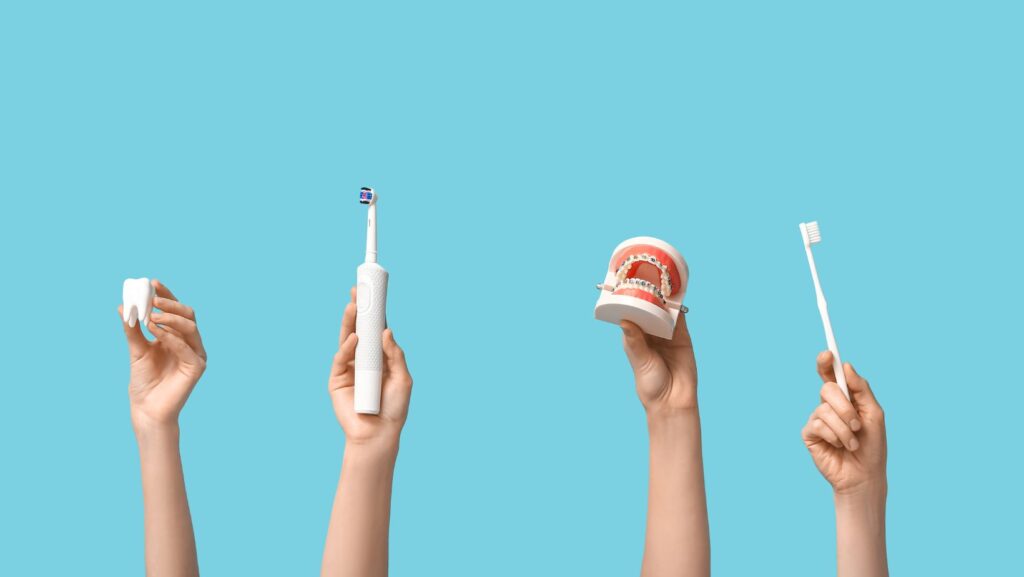
Pick a soft-bristle brush with a small head for children and a medium head for most adults. Consider an electric toothbrush for better plaque removal if someone has limited dexterity. Replace toothbrushes every 3 months or after illness.
Use dental floss or interdental brushes sized to the gaps in your family’s teeth. Add fluoride mouthwash for kids over 6 and adults who need extra cavity protection, but avoid giving mouthwash to younger children who may swallow it. Keep products visible and easy to access to reinforce the routine.
Promoting Healthy Eating for Strong Teeth
Good food choices and meal timing protect teeth and gums. Small changes—like swapping sugary drinks for water and offering crunchy vegetables—cut cavity risk and strengthen enamel.
Limiting Sugary Foods and Drinks
Sugar feeds the bacteria that make acids and cause cavities. Limit soda, fruit drinks, candy, and sticky snacks. If your child eats sweets, serve them with a meal rather than as a between-meal snack. Saliva production during meals helps wash away sugars and neutralize acids.
Set simple rules: no sugary drinks in school bags, and save dessert for after dinner. Rinse mouths with water after sugary treats when brushing isn’t possible. For infants and toddlers, avoid putting them to bed with a bottle of milk or juice.
Embracing Tooth-Friendly Snacks
Choose snacks that increase saliva, neutralize acid, or provide calcium and phosphorus. Good picks include plain yogurt, cheese cubes, raw carrots, apple slices, nuts (for older kids), and celery with a thin spread of nut butter. These foods help clean teeth and supply minerals.
Offer water instead of juice between meals. Keep a small snack list on the fridge so caregivers and kids know approved options. Pack tooth-friendly items for school and outings to make healthy choices easy.
Building a Positive Dental Experience
Create routines that make dental care normal and calm for everyone. Use short, clear steps and consistent timing so visits and daily care feel safe and predictable.
Scheduling Regular Dental Visits
Book dental checkups every six months for cleanings and exams unless your dentist advises otherwise. Put recurring appointments on a shared family calendar and set two reminders: one a week before and one day before.
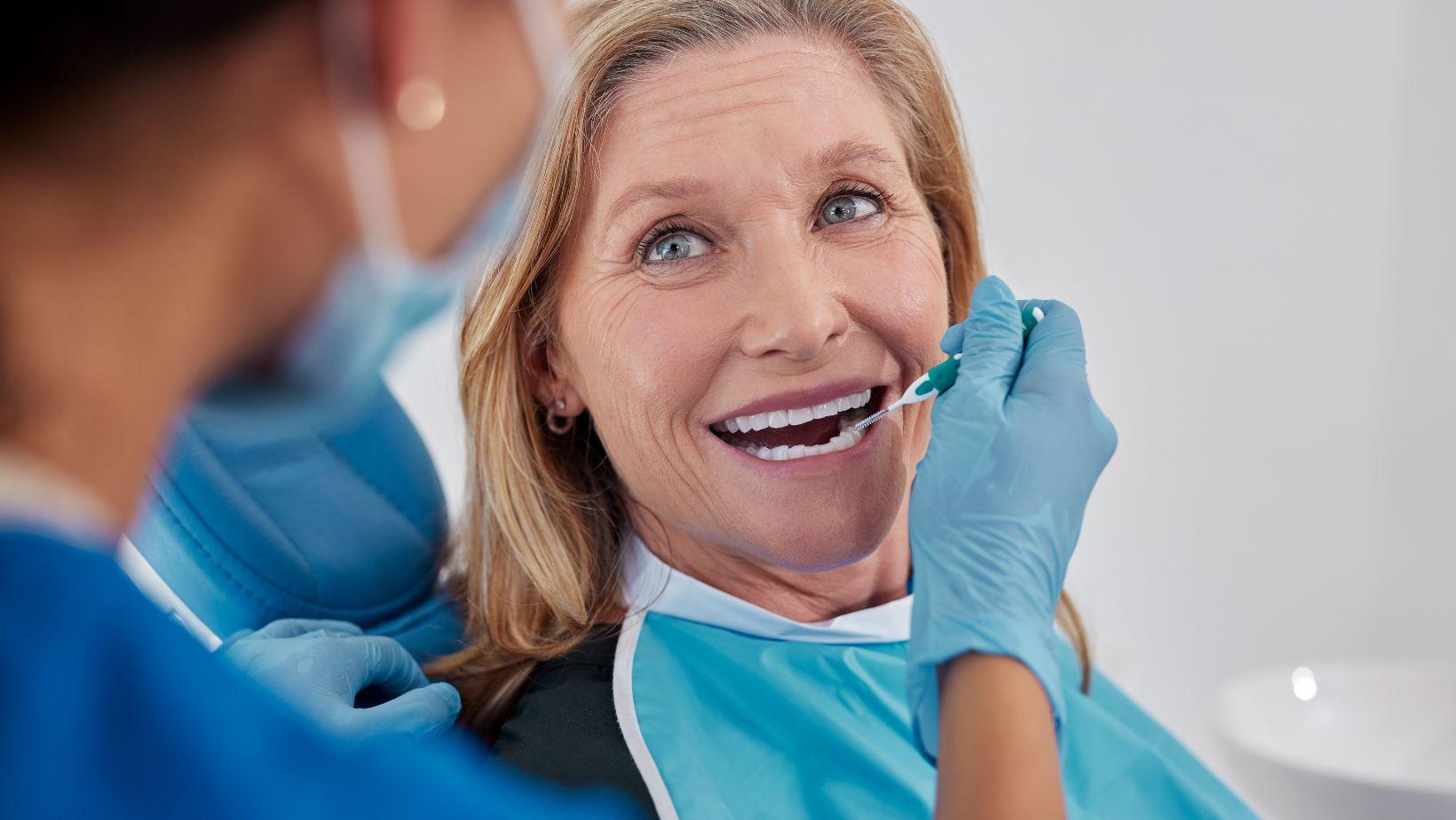
Choose a dental office that welcomes families and offers pediatric-focused care if you have young children. Tell the receptionist about any fears or special needs when you call so staff can prepare. Arrive 10–15 minutes early to fill out forms and let kids adjust.
Bring comfort items for young children, like a favorite toy or blanket. Reward cooperative behavior with praise or a small non-food treat after the visit. If the dentist suggests X-rays, fluoride, or sealants, ask for a simple explanation of benefits and risks so you can decide with clear information.
Making Oral Hygiene Fun for Kids
Turn brushing into a short game by using a two-minute timer, a toothbrush with lights, or a favorite song. Let kids pick their own brush and toothpaste flavor to increase buy-in.
Use a sticker chart to track morning and evening brushing. Offer small milestones: five stickers earns a family movie night, ten stickers a new toothbrush character. Demonstrate brushing and flossing yourself so kids imitate your actions.
Teach one skill at a time. Start with proper brushing for two minutes, then add flossing once the child can open their mouth widely. Praise effort more than perfection to build confidence and keep routines steady.