




You can stop major dental problems before they start by making prevention the habit for your whole family. Regular checkups, cleanings, and simple home care save time, money, and pain while keeping smiles healthy.
This post will show the core ideas behind preventive dentistry, the key services that protect teeth at every age, and how to build easy routines your kids and adults will follow. You’ll learn practical steps to bring prevention into family dental visits and everyday life so dental care feels normal, not stressful.
Core Principles of Preventive Dentistry
Preventive dentistry focuses on daily habits, professional care, and simple treatments that stop cavities and gum disease. It centers on tooth cleaning, fluoride use, diet choices, and regular dental visits to keep your whole family healthy.
Definition and Importance
Preventive dentistry means actions you take to keep teeth and gums healthy and avoid treatment later. It includes home care like brushing twice daily with fluoride toothpaste and flossing once a day.
Professional steps matter too: regular dental exams, cleanings, and X-rays catch problems early. These measures reduce the chance you need fillings, root canals, or tooth extractions.
For children, preventive care often adds sealants and fluoride varnish to protect growing teeth. For adults, it includes gum disease checks and monitoring for oral cancer. You save time, pain, and money by preventing problems before they start.
Goals of Preventive Dental Care
Your main goals are to stop disease, keep natural teeth, and protect overall health. Preventing cavities and gum disease lowers infection risk and keeps chewing and speech normal.
You also aim to minimize future treatment needs and costs. Early detection of small issues leads to simpler fixes, such as a filling instead of a crown.
Another goal is to teach good habits. Dentists and hygienists show correct brushing and flossing techniques. They also guide diet changes that reduce sugar exposure and acid attacks on enamel.
Levels of Prevention in Dentistry
Prevention breaks into three practical levels: primary, secondary, and tertiary.
- Primary prevention stops disease before it starts. Examples: fluoride toothpaste, dental sealants for kids, routine cleanings, and diet counseling.
- Secondary prevention finds and treats early disease to prevent progression. Examples: dental exams, X-rays, pit-and-fissure sealants placed on early decay, and small fillings.
- Tertiary prevention reduces harm from established disease and restores function. Examples: crowns, root canals, and periodontal therapy to save teeth and prevent further damage.
You use the right level based on age, risk, and current oral health. A risk-based plan mixes these levels—for instance, high-cavity children get extra fluoride and more frequent visits, while low-risk adults may need only routine checkups.
Key Preventive Services for Family Dental Health
These services keep cavities, gum disease, and late-stage problems from developing. They focus on detecting issues early, protecting tooth surfaces, and checking for signs of serious conditions.
Professional Cleanings and Exams
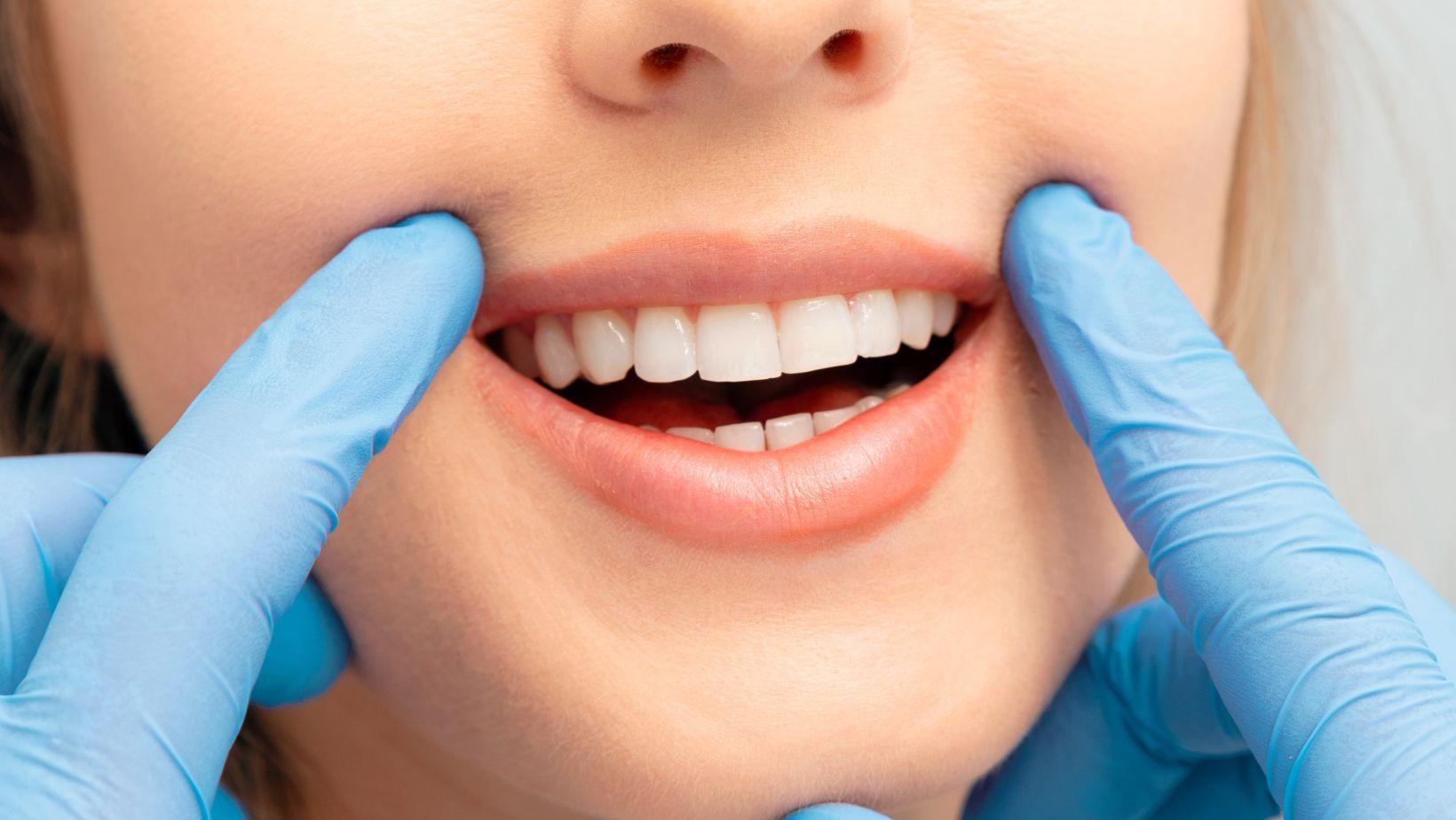
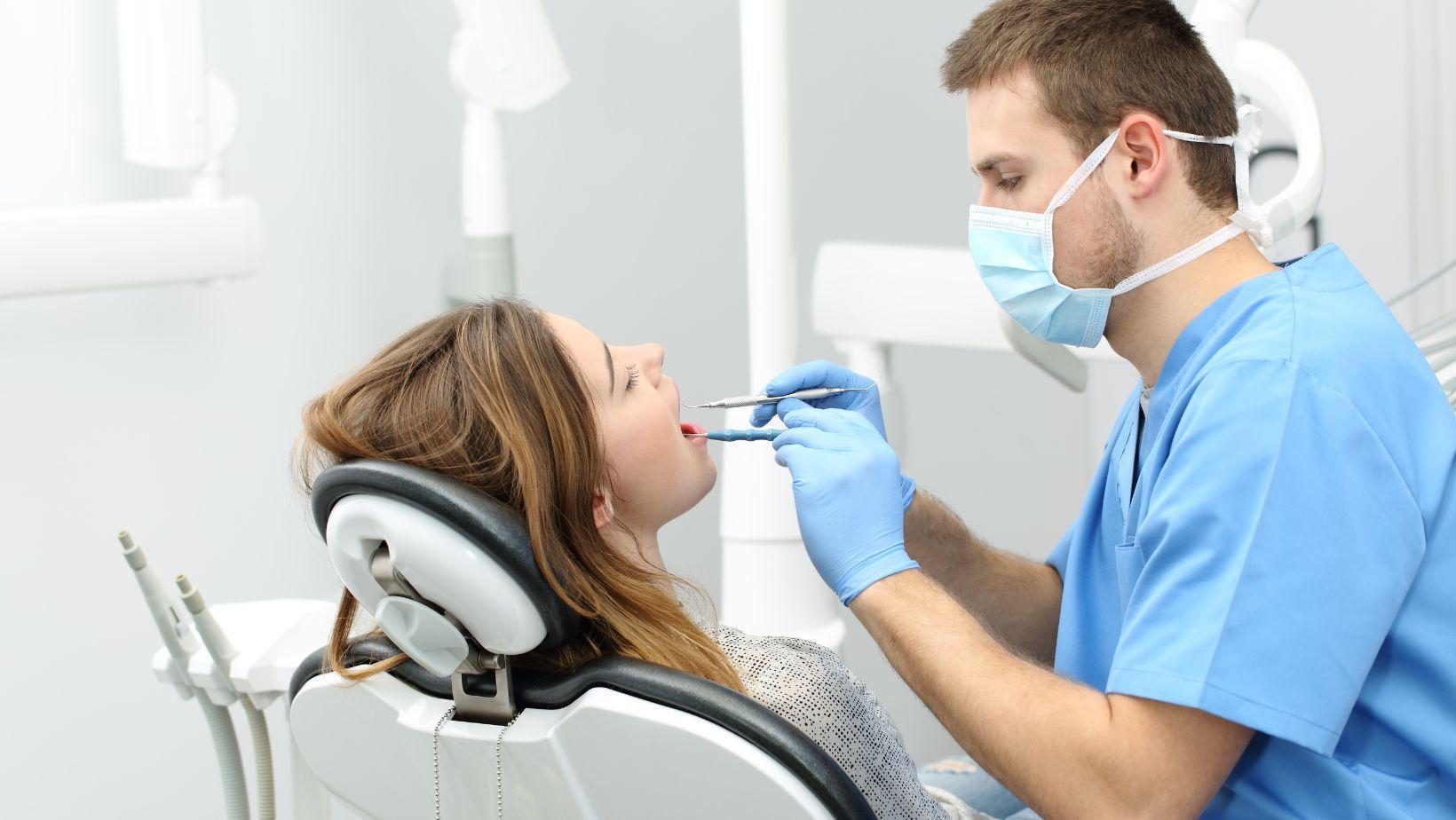
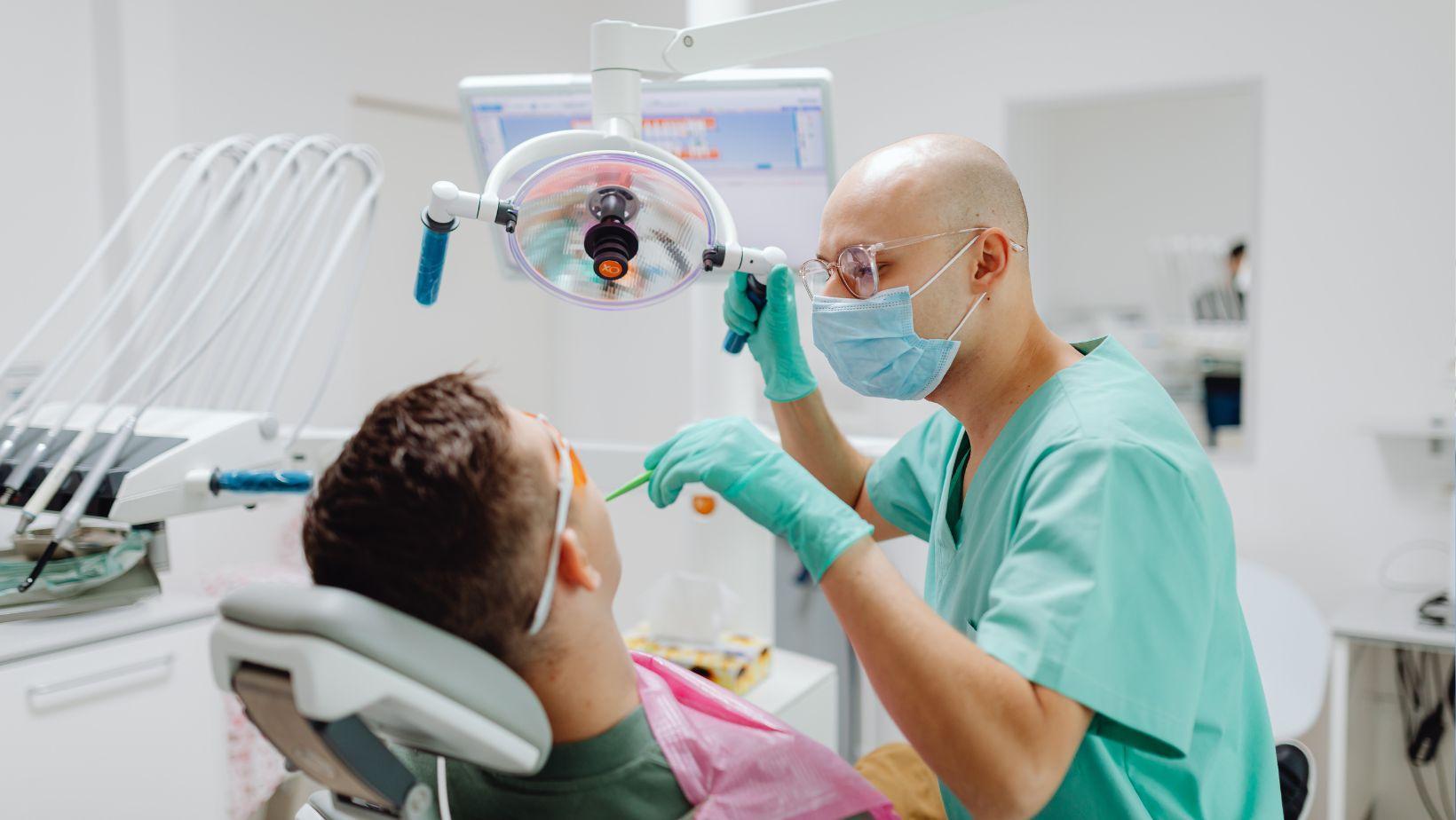
You should schedule professional cleanings and exams every six months, or as your dentist recommends based on your risk factors. During a cleaning, a hygienist removes plaque and hardened tartar from your teeth and beneath the gumline, lowering your risk of cavities and gum disease.
Exams involve evaluating each tooth, your gums, and any existing restorations. Your dentist checks for early decay, loose fillings, and bite irregularities, and may take X-rays to detect hidden issues between teeth or beneath crowns and fillings. You can also expect brief oral hygiene coaching at each visit. The team will highlight areas you may be missing during brushing and suggest tools such as interdental brushes or floss picks to improve daily care.
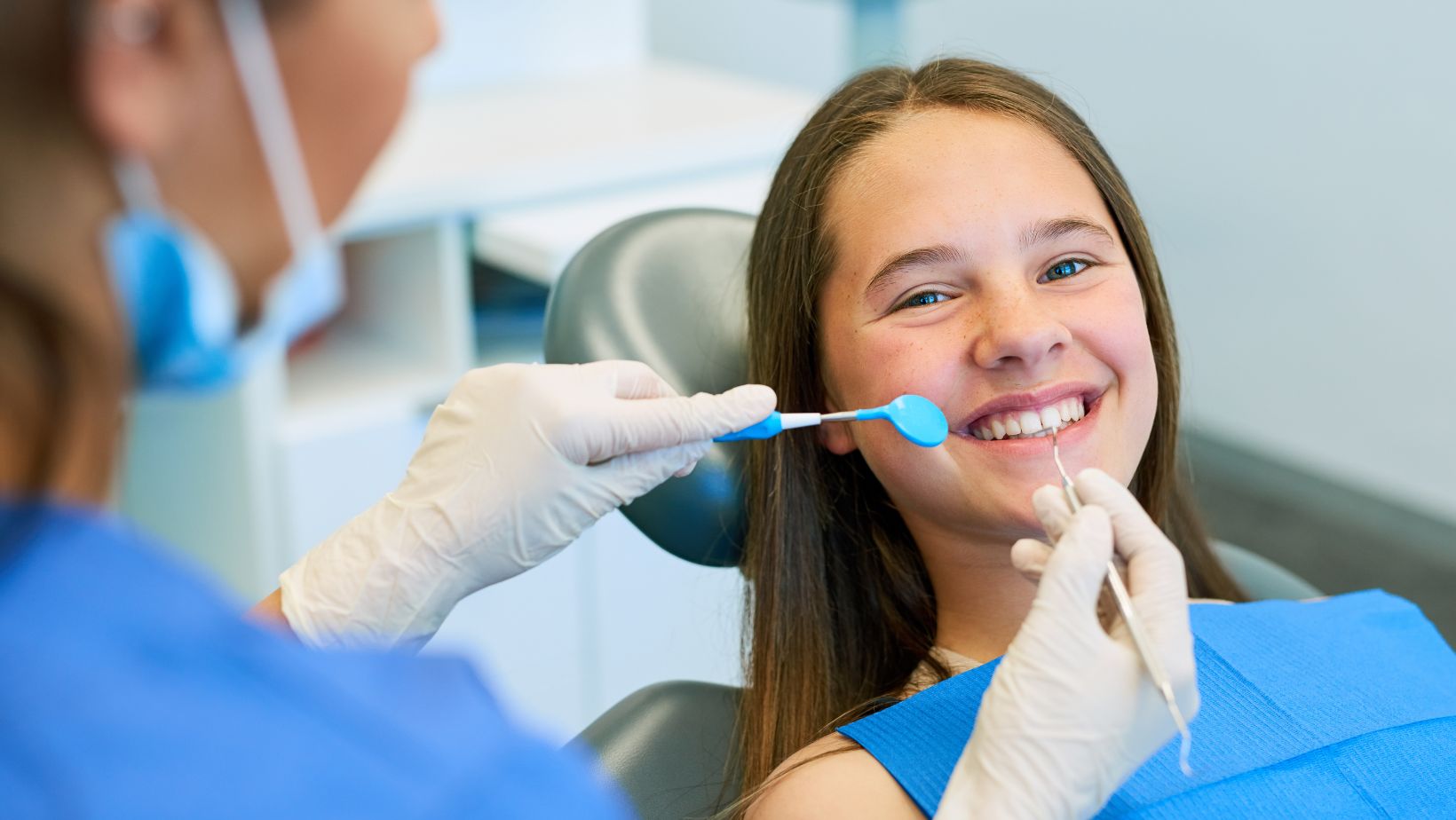
If routine exams reveal widespread damage, severe wear, or multiple failing restorations, discussing options like full mouth reconstruction in Hollywood, FL can help restore function, comfort, and long-term oral stability.
Dental Sealants and Fluoride Treatments
Sealants are thin protective coatings applied to the grooves of back teeth. You get them quickly and they block food and bacteria from settling in deep pits. Sealants work especially well for children and for adults with deep grooves.
Fluoride treatments strengthen tooth enamel to resist decay. Your dentist or hygienist applies a concentrated fluoride gel, varnish, or foam during the visit. You may also get guidance on fluoride toothpaste and mouthrinse suitable for your age and risk level.
Both sealants and fluoride are low-cost and painless ways to cut cavity risk. Your dentist will recommend them based on your cavity history, diet, and tooth anatomy.
Oral Cancer Screenings
Oral cancer screenings happen during routine exams and take only a few minutes. Your dentist inspects the lips, tongue, floor and roof of the mouth, and throat for sores, lumps, or color changes. They will also feel neck and jaw lymph nodes for unusual firmness or swelling.
If the dentist spots a suspicious area, they may use a special light, take a photo, or perform a small biopsy for lab testing. Early detection greatly increases treatment options and success rates.
Tell your dentist about tobacco use, heavy alcohol use, or any persistent mouth changes. These risk factors guide how often you should be screened.
Home Care and Family Engagement
You control daily habits that prevent cavities and gum disease. Small, consistent routines at home plus clear family roles make dental care work.
Daily Oral Hygiene Practices
Brush twice a day for two minutes using fluoride toothpaste. Hold the brush at a 45-degree angle and use gentle circles on all tooth surfaces. Replace the brush every 3–4 months or sooner if bristles fray.
Floss once daily to remove food and plaque between teeth. If flossing is hard, use floss picks or a water flosser. Clean the tongue with a scraper or the toothbrush to reduce bacteria and bad breath.
Create a short checklist for each family member: brush AM, brush PM, floss PM, replace brush date. Keep supplies visible and stored where kids can reach them.
Diet and Nutrition for Oral Health
Limit sugary drinks and snacks to reduce acid attacks on enamel. Choose water, milk, or unsweetened beverages instead of soda and fruit drinks. Offer fresh fruits, vegetables, cheese, and plain yogurt as snacks.
Time sugary treats to mealtimes rather than snacking all day. Eating with meals increases saliva flow, which helps neutralize acids. Avoid sticky candies that cling to teeth.
Use a simple table to guide choices:
- Best: water, cheese, raw veggies, plain yogurt
- OK sometimes: fruit, whole-grain crackers
- Limit: sweets, soda, dried fruit, sports drinks
Parental Guidance and Education
Start brushing your child’s teeth as soon as the first tooth appears. Help or do the brushing until your child can reliably handle a two-minute routine, usually around 6–8 years old. Supervise flossing until they can use it correctly.
Teach by showing and explaining. Let your child watch you brush, then let them try. Praise their effort and correct technique gently. Use a timer, songs, or apps to make two minutes consistent.
Schedule regular dental checkups and ask the dentist for age‑specific tips, fluoride needs, and sealant advice. Keep records of appointments and treatments in one folder or app.
Establishing Lifelong Dental Habits
Set consistent times for brushing and flossing so habits stick. Link brushing to daily events, like after breakfast and before bed, to make it automatic. Use visual cues such as charts or stickers to track progress.
Make dental care a family activity sometimes. Brushing together models good behavior and shows that oral care matters for everyone. Reward systems work best when they focus on effort and consistency, not just results.
Teach children how diet affects teeth and let them help pick healthy snacks. Over time, these small choices build strong lifelong habits and lower the chance of major dental work.
Integrating Preventive Care Into Family Dental Visits
You will learn how the dentist tailors prevention to each family member, how the team tracks progress and schedules follow-up, and what each dental professional does during visits to keep problems from starting.
Personalized Prevention Plans
When you arrive, the team evaluates each family member’s risk factors: age, tooth development, past cavities, braces, dry mouth, diet, and medical conditions. They use this to create a plan that lists specific actions, such as fluoride varnish for young children, dental sealants for molars, or prescription-strength toothpaste for high-cavity risk.
A clear plan includes at-home steps and in-office treatments with timelines. Expect written instructions and tools: brushing technique guidance, a flossing schedule, reminders for sugar-reduction, and suggested products by brand or fluoride level. This makes it easier for you to follow the plan between visits.
Tracking Progress and Follow-Up
The office uses charts and recall systems to monitor changes in gum health, new decay, and enamel wear. You’ll get a record of probing depths, radiograph findings, and notes on oral hygiene so you can see improvement or areas that need more work.
Follow-up visits are scheduled by risk level: low-risk every six months, higher-risk every three to four months. The clinic may send text or email reminders and link you to short coaching sessions or videos. During each visit, the team updates the plan and sets concrete goals for the next appointment.
Role of Dental Professionals in Prevention
Hygienists perform most preventive care: scaling, polishing, fluoride application, sealant placement, and one-on-one oral hygiene coaching. They document plaque levels and gum measurements and teach techniques you can use at home.
Dentists review X-rays, diagnose early disease, adjust prevention plans, and place prescriptions when needed. Dental assistants prepare materials, reinforce instructions, and help with sealants and fluoride. Front-desk staff manage recalls, insurance preauthorization, and patient education materials so you get timely care and clear next steps.