


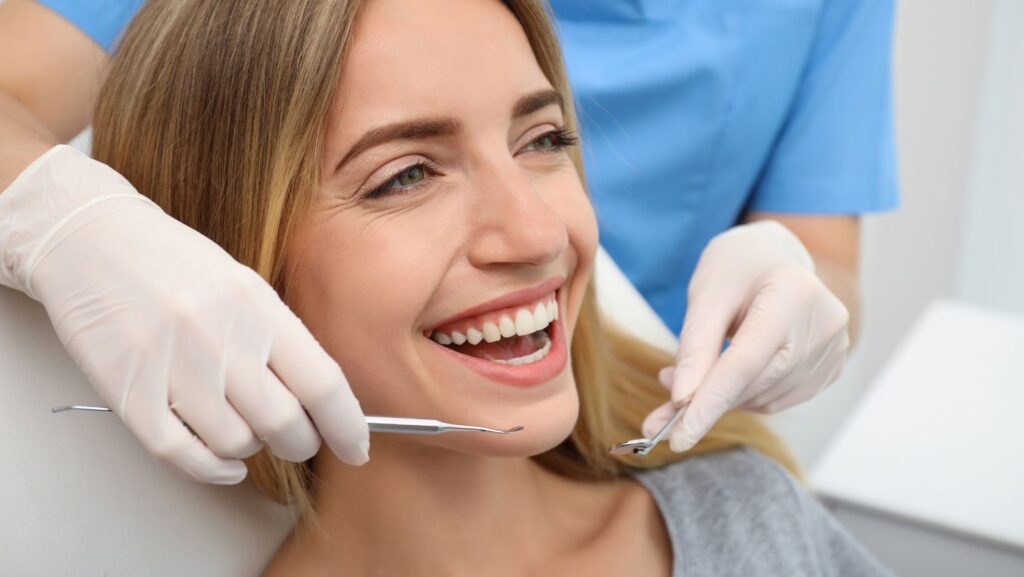
You might assume cosmetic dentistry only changes appearance, but it can also support your overall health, habits, and confidence. Certain cosmetic treatments improve bite alignment, make oral hygiene easier, and enhance self-esteem—all of which contribute to better physical and mental well-being. Even small adjustments can lead to improved sleep, more comfortable eating, fewer dental complications, and greater confidence in daily interactions.
This article explores how smile-focused care connects to whole-body wellness, from improved breathing and bite balance to healthier daily routines and social confidence. If you are interested in a treatment plan that enhances both aesthetics and function, learning more about modern cosmetic dentistry in West Seneca, NY can help you align your smile goals with your long-term health and lifestyle.
The Connection Between Oral Health and Overall Wellness
Good oral care affects more than your teeth. It links to how your body fights disease, how you manage chronic conditions, and how you lower risks for other health problems.
Systemic Health and Dental Care
Your mouth can reveal signs of disease elsewhere in your body. For example, gum disease often shows in red, swollen gums and can coincide with diabetes because high blood sugar makes infections worse. Regular dental exams can catch early warning signs like unusual sores, persistent bad breath, or changes in saliva that point to conditions such as diabetes, autoimmune disorders, or nutritional deficiencies.
Treatments matter too. Fixing infected teeth or deep cleaning inflamed gums reduces the bacterial load you swallow or inhale. That lowers the chance those bacteria travel to the heart or lungs. You should tell your dentist about medications and health conditions so they can tailor care and prevent complications.
Inflammation and Chronic Conditions
Chronic inflammation in your gums can add to the body’s overall inflammatory burden. When gums bleed and stay inflamed, immune molecules like cytokines rise in your bloodstream. These molecules can make existing conditions — such as heart disease, rheumatoid arthritis, and chronic obstructive pulmonary disease (COPD) — worse by keeping inflammation high.
Managing oral inflammation helps control systemic inflammation. Actions like treating periodontal pockets, removing infections, and improving daily brushing and flossing reduce inflammatory signals. If you have a chronic condition, coordinated care between your dentist and doctor can lower flare-ups and improve treatment outcomes.
Preventing Disease Through Oral Hygiene
Daily habits protect more than your smile. Brushing twice a day with fluoride toothpaste, flossing once daily, and using antimicrobial rinses when advised remove plaque and lower bacteria counts. This reduces your risk for cavities and gum disease and lowers the chance that oral bacteria contribute to other infections.
Professional care completes home habits. Regular cleanings, timely fillings, and treatment of infected teeth prevent bacteria from spreading. If you smoke, quit; smoking raises your risk of periodontal disease and slows healing after dental work. Vaccinations and good nutrition also support oral defenses and speed recovery from infections.
How Cosmetic Dentistry Enhances Physical Health
Cosmetic dental care can improve how your mouth works, help spot wider health problems, and ease pain from poor bite or jaw strain. These changes often make eating, speaking, and sleeping more comfortable.
Restorative Procedures and Bite Function
When you get crowns, veneers, bridges, or dental implants, the dentist restores missing or worn tooth structure. This rebuilds chewing surfaces and helps you bite down evenly. An even bite cuts down on uneven wear that can lead to cracked teeth or the need for root canals.
Improved bite alignment makes chewing more efficient. You can break down food better, which helps digestion and lets you absorb nutrients more fully. Dental implants also preserve jawbone by transmitting forces into the bone, reducing bone loss that follows missing teeth.
Follow-up care matters. You may need bite adjustments, night guards, or periodic check-ups to keep restorations working well. These steps protect your investment and maintain the functional benefits.
Early Detection of Health Issues
During cosmetic visits, dentists inspect soft tissues, gums, and tooth roots closely. They often catch signs of diabetes, vitamin deficiencies, oral cancer, and gum disease before you notice symptoms. For example, unusual gum bleeding or persistent sores trigger timely referrals for medical tests.
Cosmetic imaging—digital X-rays and intraoral photos—shows hidden decay, abscesses, and bone loss. That lets you treat problems early, avoiding more invasive procedures later. Early care lowers the risk of infections that can affect the heart and other organs.
Your dentist can also review medication effects and oral side effects. If a drug causes dry mouth or tissue changes, your dentist can work with your physician to reduce dental risks.
Reducing Jaw Pain and Headaches
Cosmetic work that restores proper tooth height and alignment can reduce strain on jaw muscles and joints. If teeth don’t meet correctly, your muscles compensate, often causing TMJ pain, clicking, or tension headaches. Correcting the bite can relieve that muscle overuse.
Treatments may include reshaping teeth, placing crowns, or using orthodontic aligners to get the bite into a healthier position. Your dentist may fit a custom night guard to stop grinding and prevent joint stress while you adapt to new restorations.
Pain relief usually appears over weeks as muscles relax and sleep improves. Regular follow-ups let your dentist fine-tune restorations and the night guard until jaw comfort returns.
Psychological and Social Benefits of Cosmetic Dentistry
Cosmetic dentistry can change how you feel about your appearance, reduce anxiety tied to your teeth, and affect work and social interactions. These changes often come from specific treatments like teeth whitening, veneers, and orthodontics that target visible concerns.
Boosting Self-Esteem and Confidence
When you fix a cosmetic issue, you often notice immediate changes in how you view yourself. Whiter or straighter teeth can make you smile more, and smiling releases small mood-boosting chemicals in your brain. This can help you feel more comfortable in photos, meetings, and public settings.
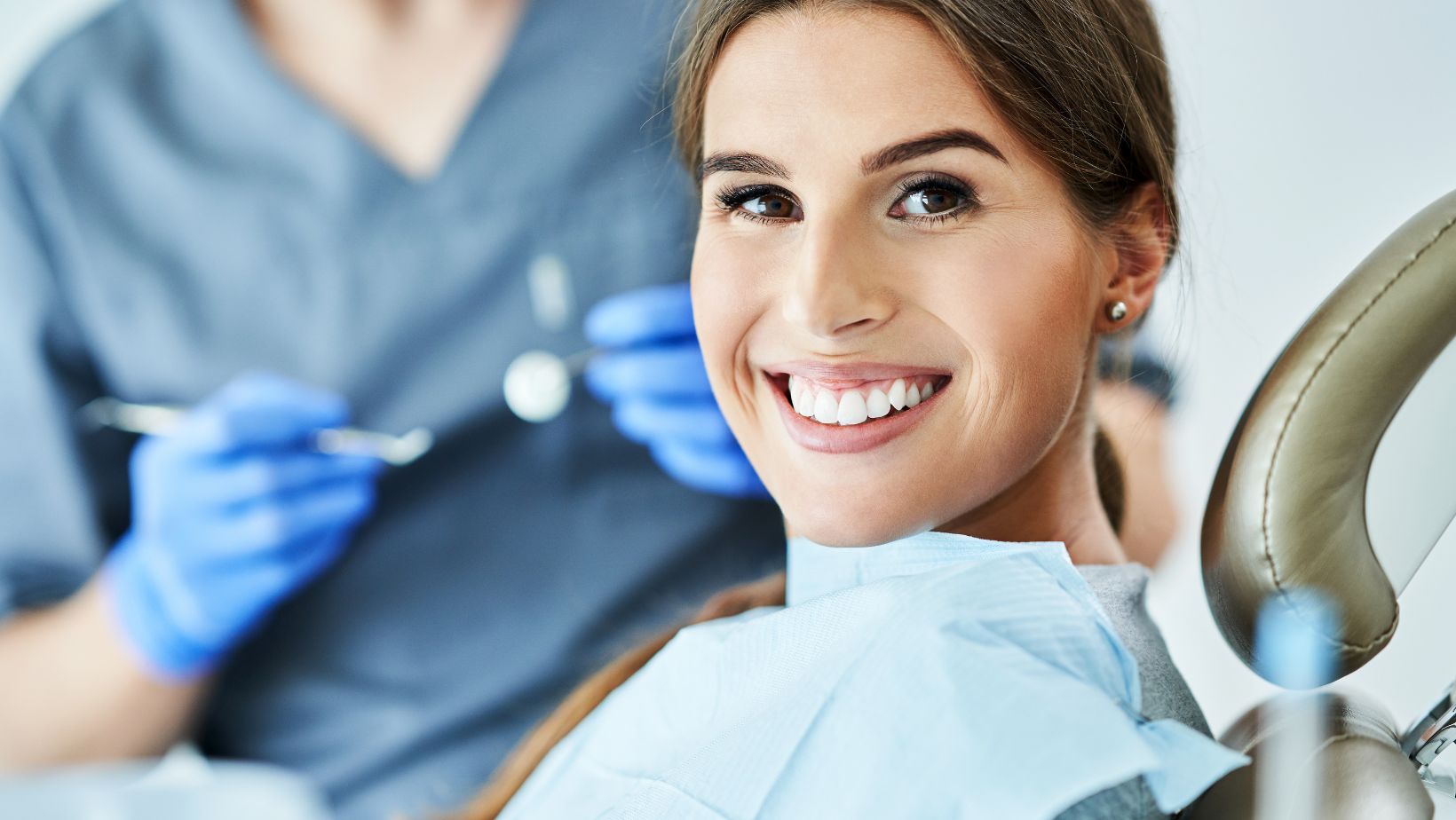
You may also carry yourself differently. Improved dental appearance often leads to better posture and more eye contact. These small shifts signal confidence to others and make daily interactions feel easier.
Practical steps you can take include consulting a dentist about veneers for chipped teeth, whitening for stains, or clear aligners for spacing problems. Each option targets a visible concern and usually has predictable results you can plan around.
Impact on Mental Health
Cosmetic dental work can reduce social anxiety tied to your mouth and face. If you avoid talking or covering your smile, correcting the issue can remove that barrier. This can lower stress in social settings and reduce the mental load of hiding your teeth.
Some people report fewer negative thoughts about appearance after treatment. That change can free mental energy for work, hobbies, and relationships. Treatments do not replace therapy when deeper mental health issues exist, but they can be a helpful part of a broader plan.
Talk with both your dentist and a mental health professional if anxiety or body image concerns feel persistent. They can help you set realistic expectations and support long-term emotional well-being.
Professional and Social Advantages
A more confident smile can affect first impressions in job interviews and networking. Employers and colleagues often notice grooming and presentation. Visible dental improvements can make you appear more polished and attentive to self-care.
In social settings, you may join conversations more readily and accept photo invites. That increases opportunities to connect and build relationships. Clear aligners or quick cosmetic fixes also have predictable timelines, so you can plan treatment around important events like weddings or interviews.
Keep realistic goals in mind and choose procedures that match your lifestyle. Ask about recovery time, costs, and maintenance to ensure the change supports both your appearance and daily routine.
Lifestyle Improvements Linked to Cosmetic Dental Treatments
Cosmetic dental care can change daily choices and long-term habits. Many patients report better oral routines, healthier eating habits, and more consistent dental visits after treatment.
Encouraging Healthier Habits
When you invest in whitening, veneers, or orthodontics, you often protect that investment with new routines. You may floss and brush more carefully and use a soft-bristled brush or non-abrasive toothpaste to avoid staining or damaging restorations. Those changes lower your risk of cavities and gum problems.
You might also cut back on staining foods and drinks like coffee, red wine, and dark sodas. Some patients switch to water, green tea, or milk and use a straw for beverages that could stain. These small shifts keep your smile looking better and reduce the need for repeat cosmetic fixes.
Long-Term Wellness Outcomes
Improved oral function from treatments such as straightening or repairing teeth can ease chewing and reduce jaw pain. If you have crowns or bonded repairs, you may chew more evenly, which can help digestion and reduce tooth wear. This can stop minor issues from becoming larger problems.
Cosmetic care also often motivates regular dental checkups. You might schedule cleanings every six months and follow through on recommended maintenance. Consistent care catches infections or decay early, which protects both your mouth and your overall health by lowering the chance of chronic oral inflammation.