







Grief is a deeply personal experience, and it rarely follows a neat or predictable path. Losing a loved one can leave a lingering ache, a sense of emptiness, or difficulty expressing feelings. Traditional family gatherings, mourning ceremonies, and rituals play an essential role. Still, they may not address every emotional need. Looking into creativity, such as art therapy, can provide a unique and comforting outlet for emotions.
Painting, writing, music, and other forms of expression allow grief to be acknowledged. They help it to be gradually processed in a personal and meaningful way. Creativity doesn’t replace support from family members or professional guidance. It includes grief counseling or cognitive behavioural therapy, but creativity complements these resources. Especially during the end-of-life period and immediately after a loss, creative outlets provide a safe space. They allow individuals to explore feelings, memories, and hopes.
Why Creativity Helps in Grief
Creativity helps you express thoughts and feelings that are hard to explain with words alone. Art and music engage the senses, giving shape and colour to feelings that may otherwise feel overwhelming or chaotic. People can express grief through a brushstroke, a melody, or a chosen word. It helps them release emotions safely. It often brings relief and clarity.
Creative activities help reduce tension. It can enhance mood. They also improve cognitive focus. They help process complicated grief disorders and cope with the stages of grief. Creative expression also supports mental health and encourages emotional involvement. It helps people feel more connected to themselves and their memories.
Engaging in creative practices can help manage traumatic responses. These responses sometimes arise during the grieving process. Some people face anticipatory grief before a loss. Others experience sudden grief afterward. Creative expression provides a safe and constructive way for them to process their emotions.
Supporting Mental Health
While creativity is a supportive tool, it is only part of a broader approach to wellbeing. The grieving process can affect sleep, appetite, concentration, and mood. Recognising these effects of grief is essential for maintaining stability. It includes traumatic responses or suicidal thoughts.
Self-care helps support mental health during grief. Talking with family members or joining bereavement support groups can provide additional help. Seeking professional help can include grief counseling. It may also involve cognitive behavioural therapy. These approaches help manage grief in a safe and effective manner that provides a more complete way to manage grief.
Practical Ways to Use Creativity
Finding creative outlets that feel natural and accessible is key. Methods don’t need to produce “perfect” work; they need to allow emotion to flow. Creative activities can act as a form of meditation, providing comfort, clarity, and a safe space for reflection.
1. Painting and Drawing. Even simple sketches or abstract paintings serve as outlets for emotion. Colours can express feelings. Blues may reflect sadness. Warm tones can represent cherished memories and happy moments. Over time, these pieces can become a visual diary of the healing process. They help individuals track their way through the stages of grief.
2. Music and Sound. Listening to familiar songs, composing, or playing an instrument can help process grief in ways words cannot. Creating playlists tied to a loved one can offer comfort and deepen emotional connection. Music can also help bring back memories, helping to maintain a continuing bond with the person who has passed away.
3. Writing and journaling can help. Journals, letters, poetry, or short narratives provide clarity. They also allow emotional release. Writing offers a safe space. It enables you to support yourself. You can explore feelings without fear of judgment. It can be invaluable for those dealing with complicated grief or traumatic responses.
4. Memory boxes and scrapbooks help preserve memories. Photographs, letters, and mementoes can be included. They allow grief to be honoured in a physical way. These items support continuing bonds. They help remember loved ones. They also aid personal healing. Handling cherished objects can be comforting and grounding during challenging moments.
5. Movement and dance can help release tension. Gentle movement, mindful walking, or dancing are effective ways to relax. These activities allow emotions to flow. Movement integrates body and mind, which is often necessary when grief feels trapped internally. It can help manage post-traumatic stress disorder, anticipatory grief, and other traumatic responses.

Small Examples in Daily Life
Small, personal rituals can provide comfort. Lighting a candle each evening can help maintain a connection with a loved one. Playing a favourite song also helps. Painting something symbolic offers another way to remember them.
Funeral directors can provide guidance during planning and may suggest creative elements to include in memorials or ceremonies. Even small gestures at this stage can grow into meaningful rituals at home. Local services also offer support, helping individuals cope with grief and take care of themselves.
Reducing Stress Through Creativity
Grief often brings an invisible weight, a mental burden that can make daily life feel heavier. Engaging in creative activities acts as a gentle counterbalance. Painting, journaling, or listening to music can shift focus. They give the mind a temporary break. It helps provide calm and relief from intense emotions.
Even brief daily sessions of creativity provide structured yet flexible outlets for emotional expression. These practices support mental health. They help with managing grief. They also assist in coping with traumatic responses and suicidal thoughts. Over time, these small practices foster emotional flexibility and resilience, even in the face of profound loss.
Honouring Memory Through Ongoing Creativity
Creative practices enable love to endure tangibly. Art, music, writing, and rituals create lasting tributes beyond the initial loss.
Projects can be shared with family members, such as a painted piece, scrapbook, or song, turning grief into a lasting legacy. Creative expression can be private. It honours the person who has passed. It supports personal healing, mental health, and emotional growth. Creative practices also reinforce continuing bonds and help integrate memories into daily life.
Finding Comfort in Expression
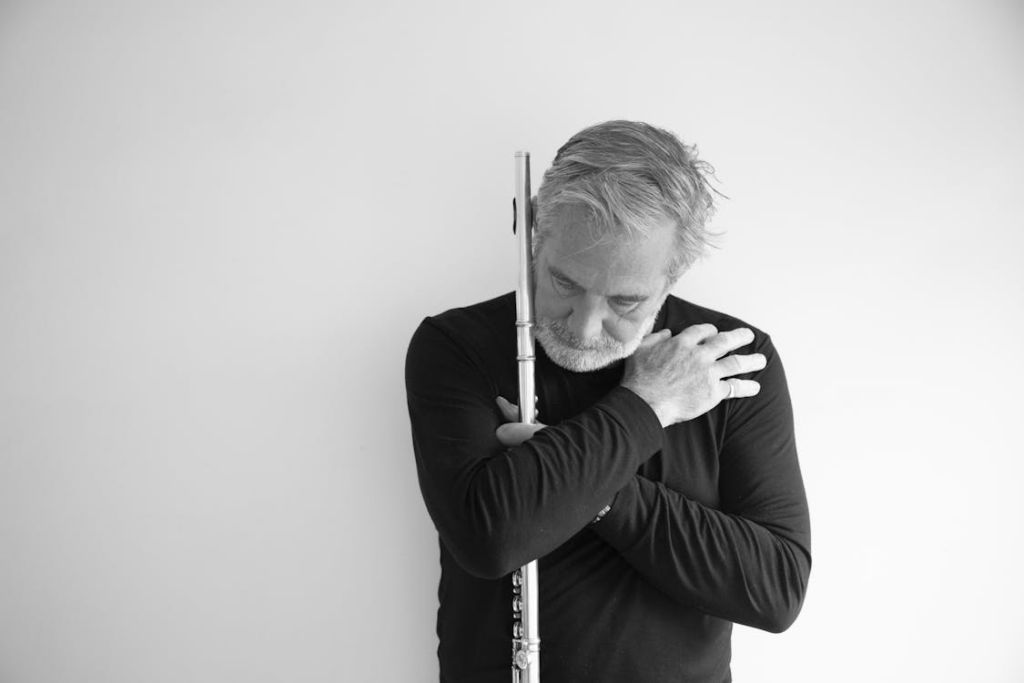
Grief rarely conforms to timelines or expectations. Creativity provides a language for emotions beyond words. Painting, music, and writing give an outlet for grief. Other creative activities can also help. These practices allow grief to be transformed into something meaningful.
Creative expression can be quiet, such as painting or journaling. Playing a favourite melody is another option. These activities offer a compassionate companion during the grieving process.
Art therapy, music, or other creative practices can help maintain continuing bonds. These activities also support mental health. They can help manage stress and include rituals suggested by a funeral director. This approach supports people facing traumatic responses. It can also help with complicated grief disorder and other challenges.
At the same time, it fosters comfort, connection, and remembrance in the local area and during end-of-life care. Cognitive behavioural therapy supports the grieving process. It can be combined with creative practices. Together, they help develop coping skills and emotional resilience.