




Many men work long hours. Some do physical jobs. Others sit at desks all day. Some do both. Over time, the body starts to feel the strain. Aches in the back, neck, shoulders, hips, or knees become part of daily life. Many men ignore these signs and push through the pain. They often feel that resting or asking for help means slowing down. But pain is the body’s way of asking for support, not weakness.
This article shares clear and simple osteopathy tips for men who work hard and feel achy. These tips are easy to follow and fit into everyday life. They focus on helping the body move better, feel stronger, and recover well.
Why Hard Work Leads to Aches
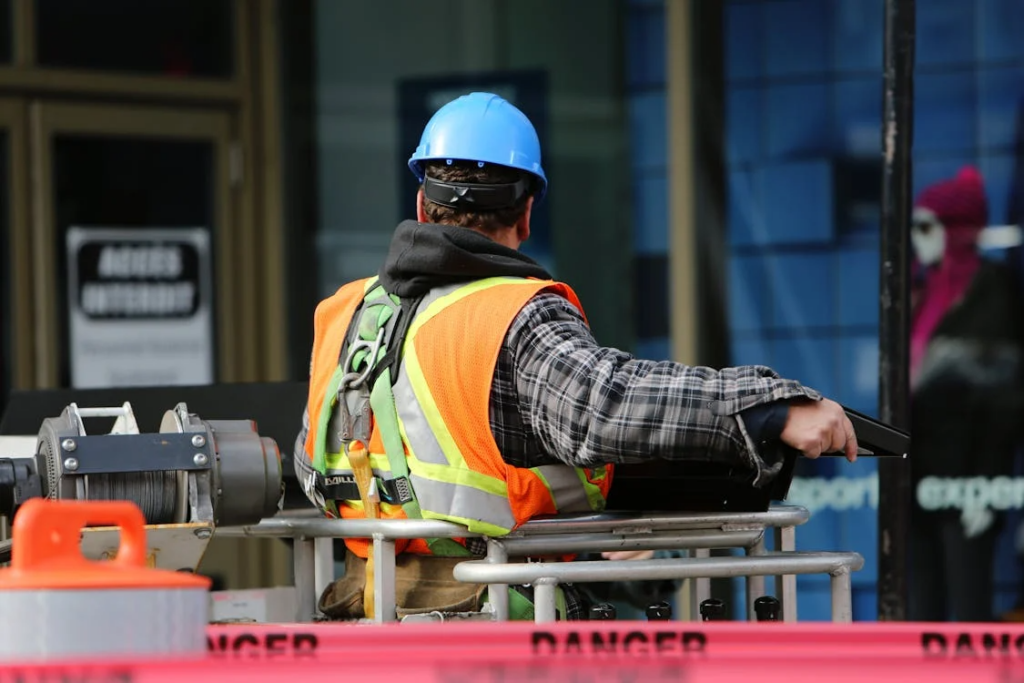
Hard work often means repeated movements, heavy lifting, long hours, or poor posture. Builders, drivers, warehouse workers, office staff, and business owners all face different types of strain. Over time, muscles tighten. Joints lose some movement. Small strains build up and turn into ongoing pain.
Stress also plays a role. When life is busy, the body stays tense. Shoulders lift. Jaw tightens. Breathing becomes shallow. This tension adds to aches and slows healing. Poor sleep and lack of rest make things worse.
Osteopathy looks at how the whole body works together. It does not focus on pain alone. It looks at movement, posture, muscles, joints, and how daily habits affect the body. According to the NHS, osteopathy aims to improve health by working with the structure and function of the body.
Tip 1: Pay Attention to Early Signs
Pain rarely starts suddenly. It often begins as stiffness, tightness, or tired muscles. Many men ignore these early signs. They tell themselves it will pass. Sometimes it does, but often it comes back stronger.
If your back feels stiff every morning, or your neck aches after work, take notice. Early care can stop small problems from becoming big ones. Listening to your body is one of the strongest habits you can build.
Tip 2: Move Little and Often
The body likes movement. Staying in one position for too long causes stiffness and pain. This applies to both desk work and physical labour.
If you sit a lot, stand up every 30 to 60 minutes. Stretch your back. Roll your shoulders. Take a short walk if you can. If you do physical work, change tasks when possible. Avoid doing the same heavy movement all day without breaks.
Gentle movement keeps blood flowing and joints moving. It helps muscles relax and recover.
Tip 3: Improve Your Posture at Work
Poor posture puts extra strain on the body. Slouching at a desk, leaning to one side, or lifting with poor form can all lead to pain.
At a desk, keep your feet flat on the floor. Sit back in the chair. Screen at eye level. Relax your shoulders. When lifting, bend your knees. Keep the load close to your body. Avoid twisting while carrying weight.
Good posture does not mean being stiff. It means balanced and relaxed.

Tip 4: Breathe Properly
Many men hold their breath when stressed or busy. Shallow breathing keeps the body tense. It also reduces oxygen to muscles, which slows recovery.
Take a few moments each day to focus on breathing. Breathe in through your nose. Let your belly rise. Breathe out slowly through your mouth. This simple habit helps calm the nervous system and reduce muscle tension.
Better breathing supports better movement and less pain.
Tip 5: Do Not Skip Recovery Time
Rest is not laziness. It is part of staying strong. Muscles and joints need time to recover after work. Without rest, the body stays in a cycle of strain.
Aim for good sleep. Keep a regular bedtime. Avoid screens late at night when possible. Gentle stretching before bed can also help reduce stiffness and improve sleep quality.
Even short rest periods during the day can make a difference.
Tip 6: Use Simple Stretches Daily
You do not need a long exercise routine. Simple stretches done daily can ease aches and improve movement.
Stretch your neck, shoulders, back, hips, and legs. Move slowly. Never force a stretch. Stretching should feel gentle, not painful. A few minutes in the morning and evening can help keep the body loose.
An osteopath can show you stretches that suit your work and body.
Tip 7: Get Support Before Pain Controls You
Many men wait until pain is severe before seeking help. By then, the problem is often harder to manage. Osteopathy can help at any stage, but early support often brings better results.
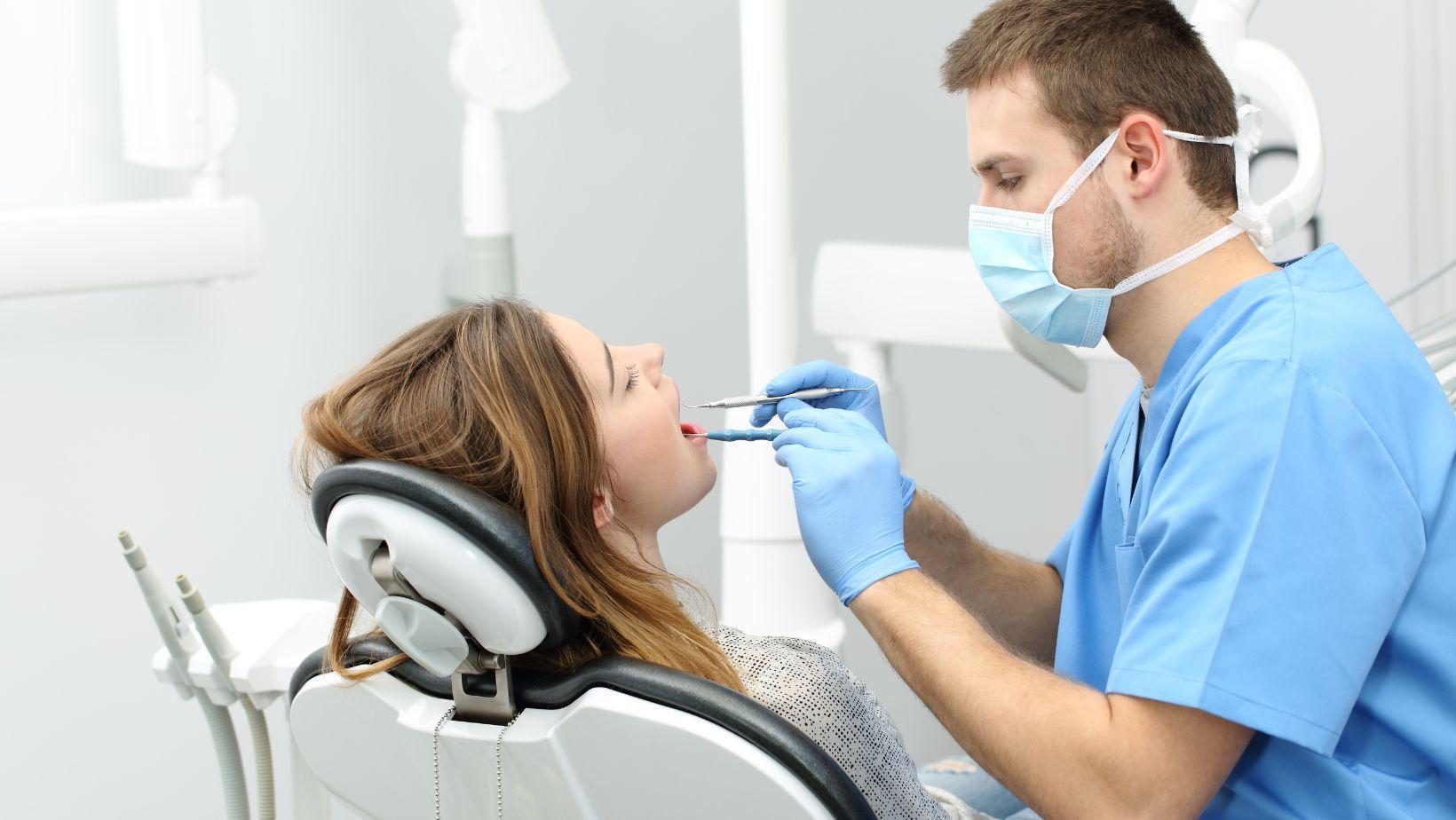
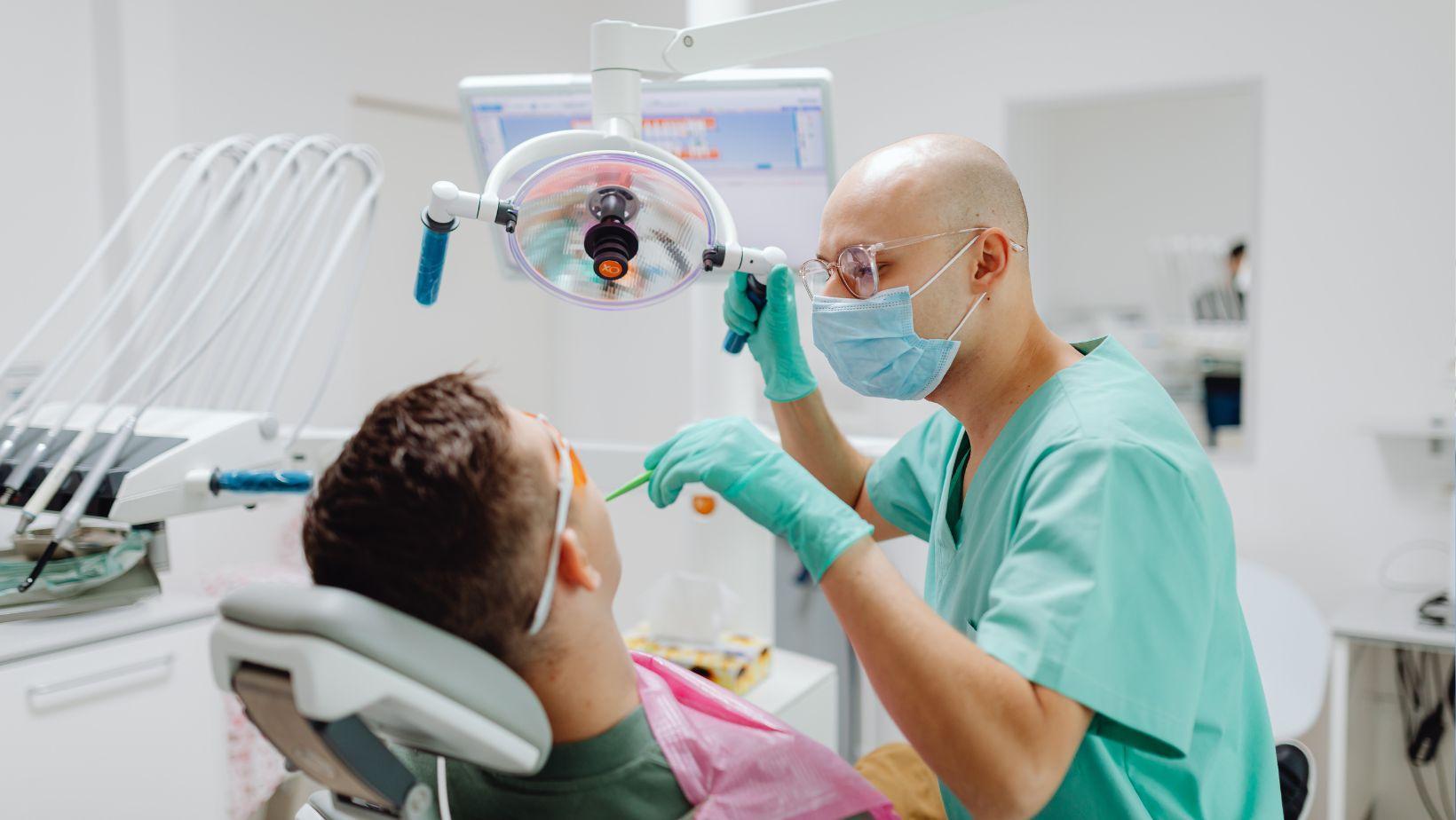
Osteopaths use hands-on treatment to improve movement and ease tension. They also give advice on posture, movement, and daily habits. In the UK, osteopaths are regulated by the General Osteopathic Council, which helps ensure safe and professional care.
For example, clinics such as Arc Osteopathy may be used as part of a wider care plan to support men dealing with work-related aches, while also learning how to care for their bodies long term.
Tip 8: Change How You Think About Pain
Pain should not be ignored, but it should not be feared either. It is information. It tells you something needs attention.
Looking after your body allows you to work better, move more easily, and enjoy life more. Strength is not about pushing through pain at all costs. It is about knowing when to slow down and reset.
A Healthier Way Forward
Men who work hard often put others first. They focus on providing, building, and solving problems. But the body also needs care. Small changes can lead to big improvements over time.
By moving more, resting well, breathing better, and seeking help early, you can reduce aches and protect your body for the years ahead. Osteopathy supports this process by helping the body move as it should.
Feeling achy does not have to be your norm. With the right habits and support, you can stay strong, active, and capable, without carrying pain every day.