

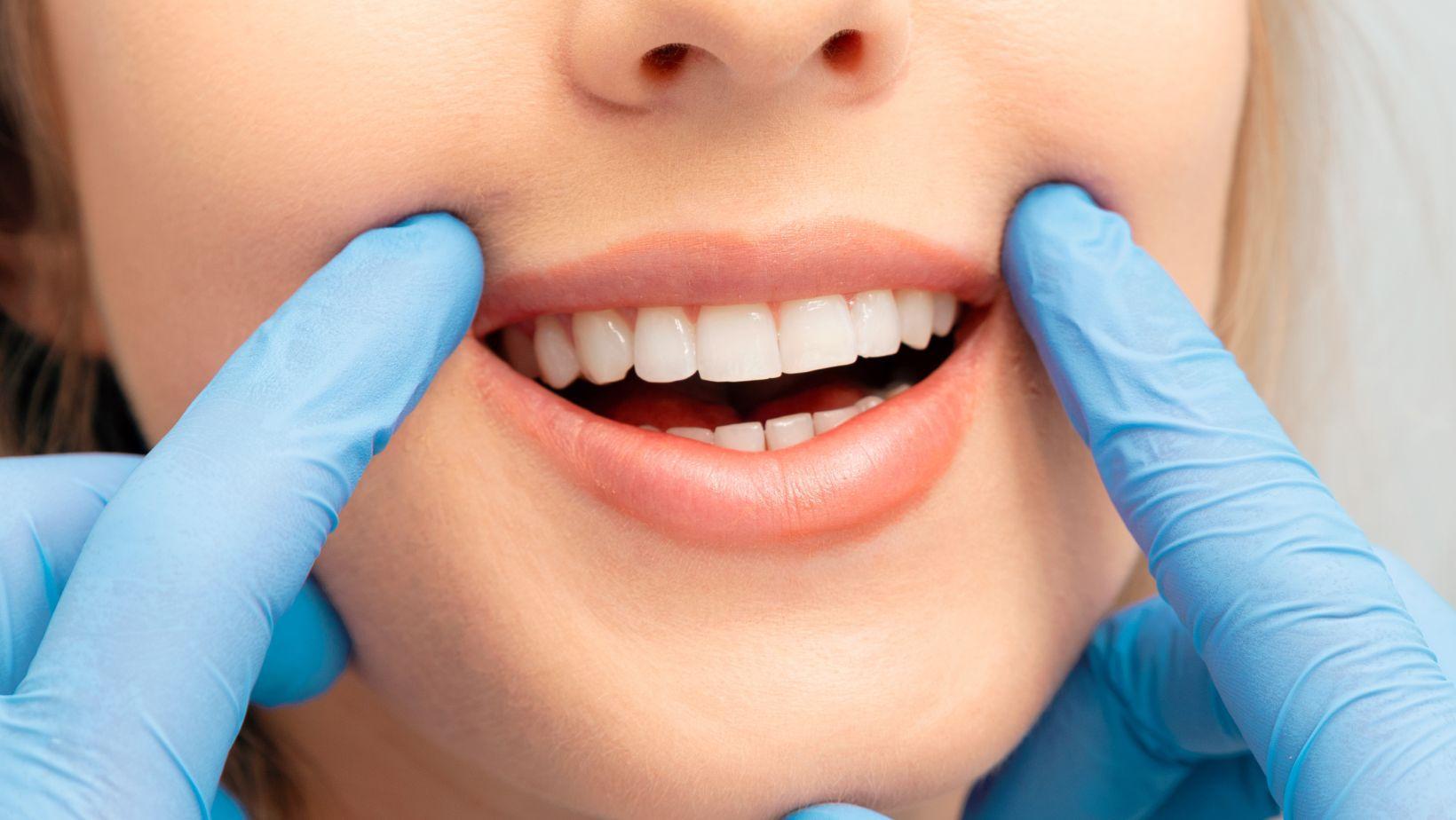
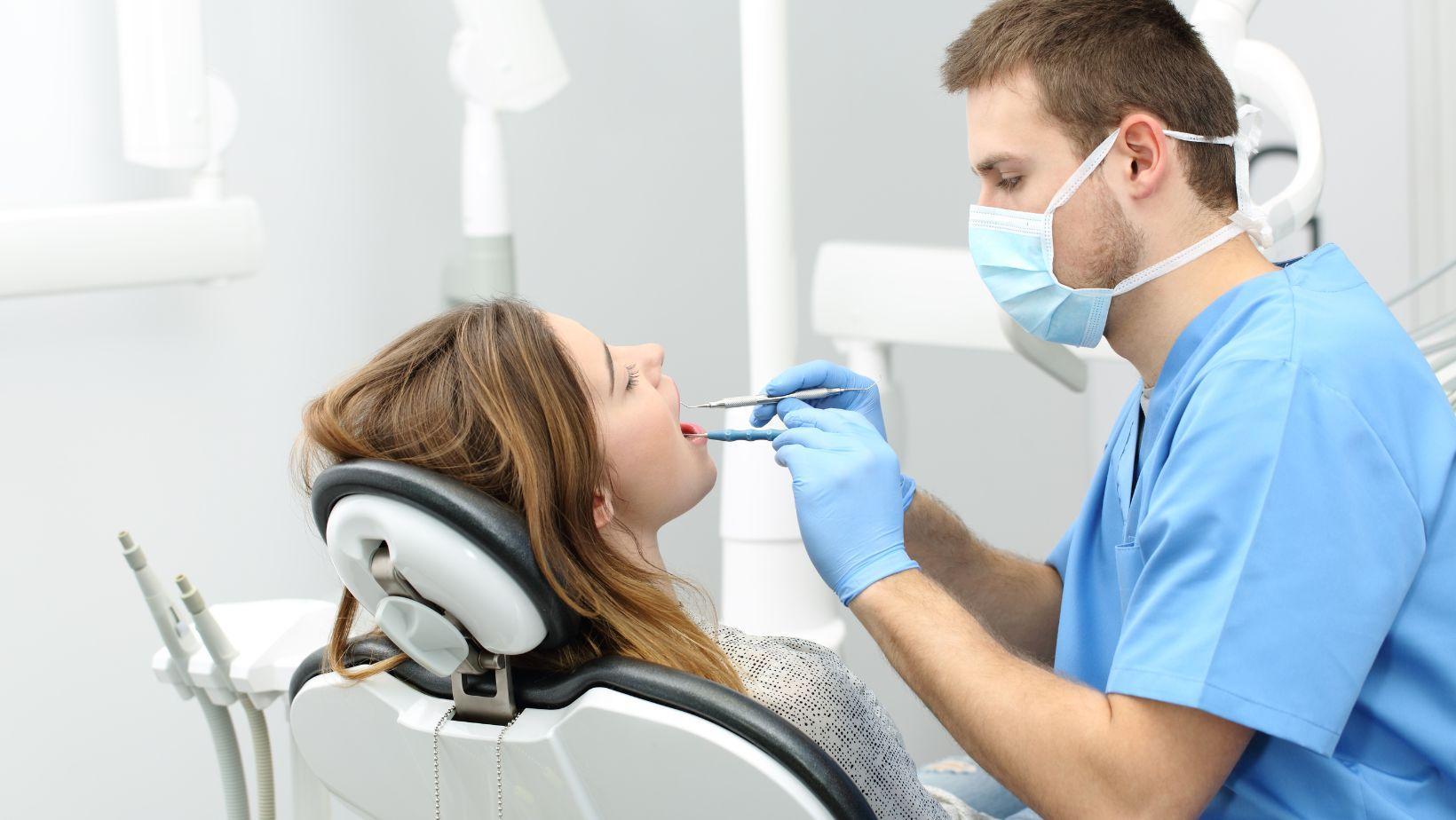

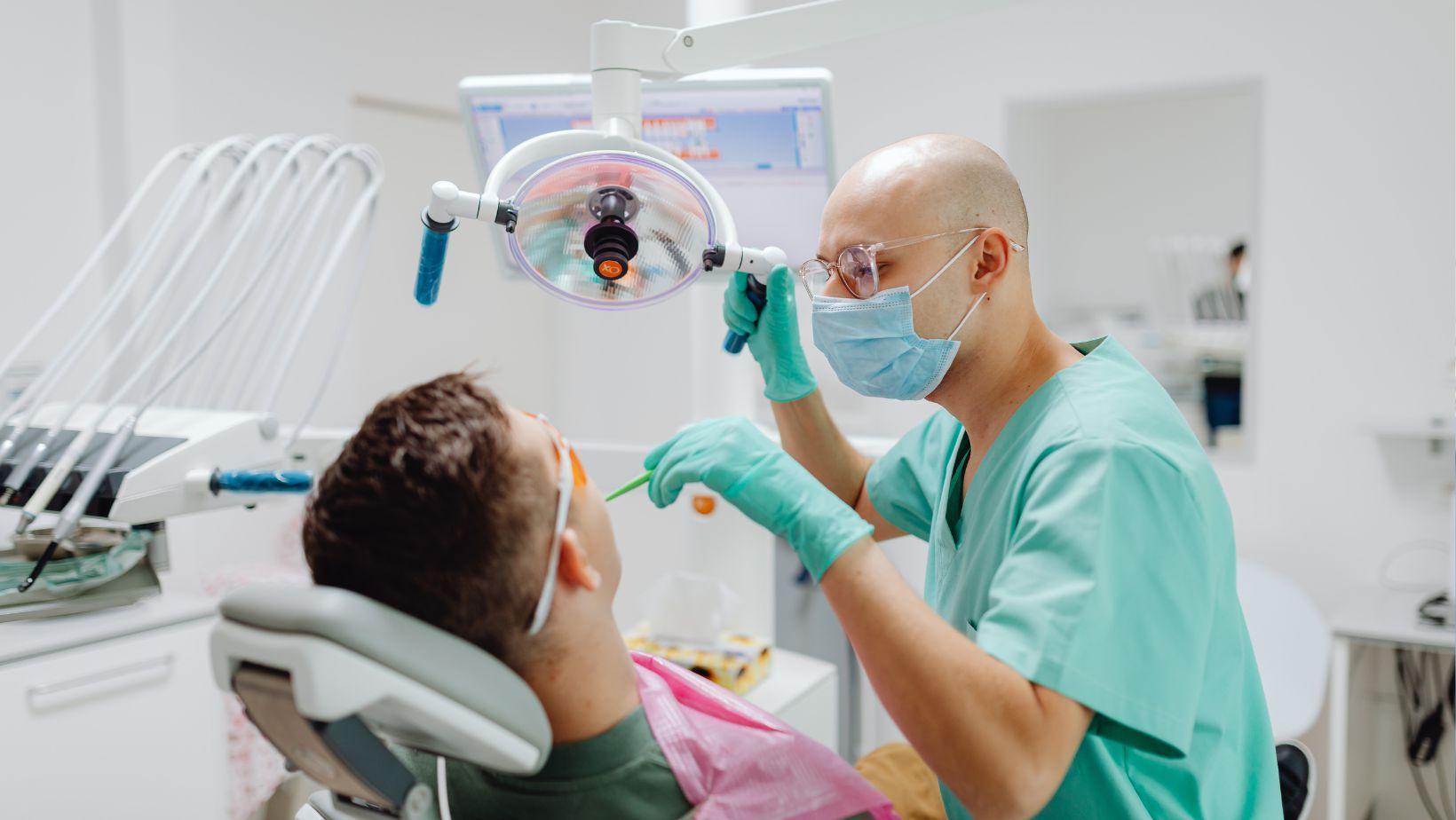


While fashionable in everyday life, metallic jewellery can significantly compromise dental imaging quality. Earrings, nose rings, and tongue studs create shadows and distortions on X-rays and scans, potentially obscuring critical issues like cavities, bone loss, or infections. Dental professionals routinely request removal of all metal accessories before imaging to ensure diagnostic accuracy, prevent misdiagnosis, and avoid unnecessary repeat scans that increase radiation exposure.
For optimal dental imaging results, trusted suppliers like ProDENT recommend following proper protocols for jewellery removal and storage during appointments.
Understanding Dental Imaging Techniques
Dental imaging techniques use specialised equipment to create visual records of a patient’s oral structures. In clinics like ProDENT in Tampa, professionals use X-rays and digital imaging systems daily. X-rays, including bitewing, periapical and panoramic formats, allow clear detection of caries, bone loss and impacted teeth. Digital sensors capture images instantly, reducing exposure time and enhancing workflow.
Intraoral cameras, another tool found in ProDENT’s product catalogue, generate detailed colour photographs of teeth and soft tissues. Clinicians rely on these images to communicate clearly with patients and insurers. Equipment calibration, quality assurance and compatible consumables—such as digital phosphor plates or sterilised camera sheaths—are necessary for optimal imaging outcomes.
Metal objects like jewellery affect these results when present, as dental imaging units are sensitive to radiopaque interference. Tampa-based clinics using ProDENT supplies often follow strict protocols to remove metal items for accuracy and patient safety. Consistent imaging practices ensure reliable diagnoses, timely treatments and proper dental record management.
Common Types of Jewellery and Their Materials
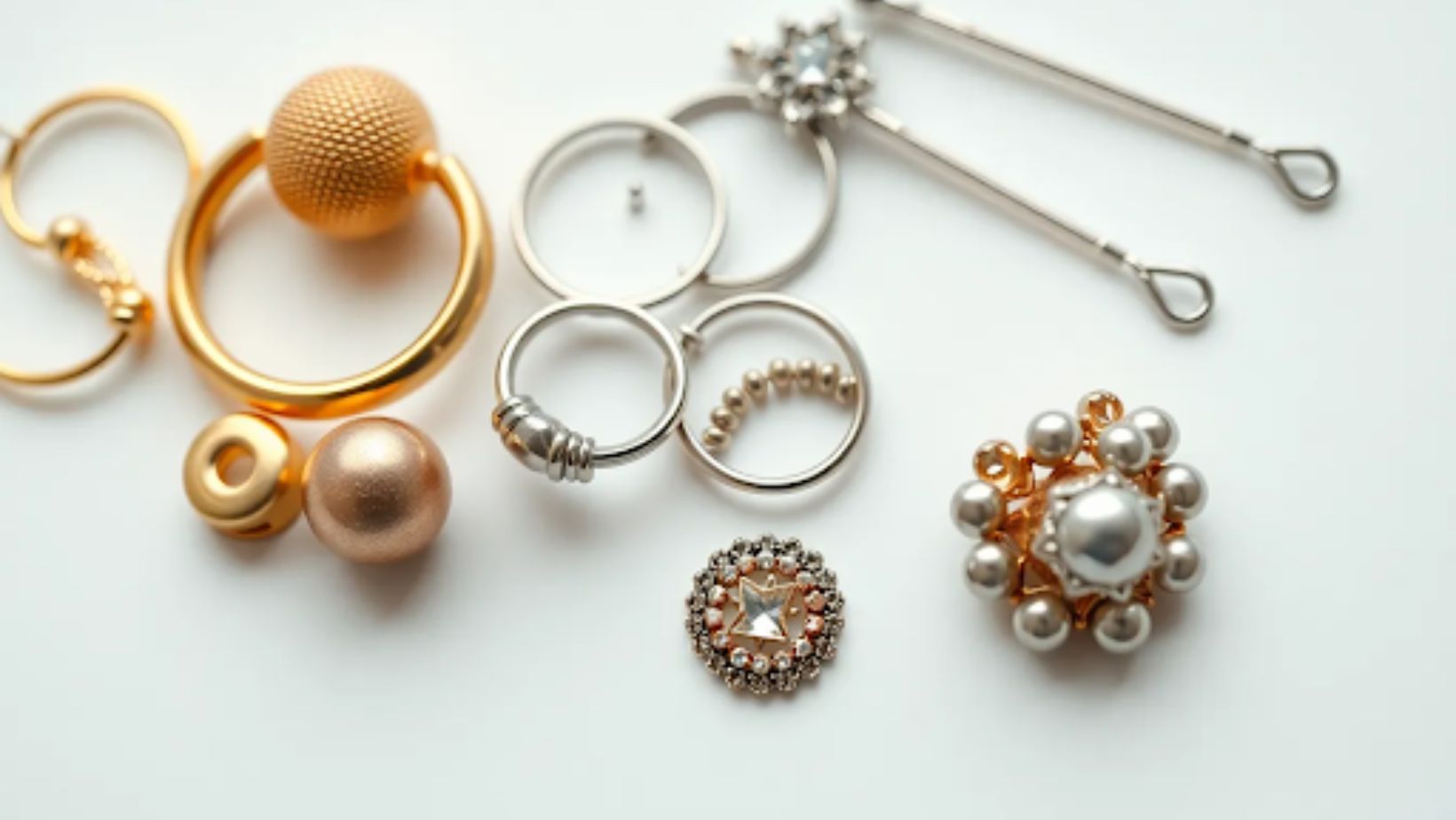
Metals used in jewellery impact dental imaging by introducing radiopaque artefacts. Common types include:
- Earrings: Stainless steel, gold, or titanium earrings rank among metal items most likely to create ghost images in panoramic X-rays. ProDENT in Tampa recommends these be removed to prevent image distortion, especially with digital imaging systems.
- Nose Rings and Studs: Materials like surgical steel or gold in nose jewellery cause pronounced streaks or shadows, obscuring dental anatomy in radiographs.
- Tongue Bars and Lip Piercings: Stainless steel, titanium, or acrylic tongue bars and lip studs can block the view of oral structures, especially in intraoral sensor images. ProDENT dentists advise complete removal before imaging to ensure accurate detection of dental issues.
- Cheek and Uvula Piercings: These may use gold or steel, introducing less common but still significant artefacts, particularly in bitewing X-rays.
- Braces and Orthodontic Appliances: While not typically classified as jewellery, fixed orthodontic devices crafted from stainless steel or nickel-titanium can also interfere with dental imaging and are not removable before X-rays.
The materials most responsible for imaging interference are metals like stainless steel, titanium, nickel, and gold. Acrylic is less problematic, but metal fastenings in acrylic jewellery remain an issue. Dental clinics like ProDENT in Tampa request full removal of all removable jewellery before scans for clear and reliable X-ray and CBCT results.
How Does Jewellery Affect Dental Images?
Jewellery introduces significant distortion in dental images by creating radiographic artefacts. Clinics, including ProDENT in Tampa, consistently request the removal of all metallic jewellery before X-rays to ensure accurate diagnostics.
Radiographic Artifacts and Image Quality
Metallic jewellery such as earrings, nose rings, and tongue studs absorbs and reflects X-rays, producing bright areas or shadows that disrupt anatomical detail. Common artefacts include streaks, ghost images, and halos, which obscure hard and soft tissue structures in panoramic, bitewing, and intraoral radiographs. Image obstruction occurs most frequently when head or oral jewellery overlays dental regions, making it difficult for clinicians to detect bone fractures or infections. Repeat scans are required when ring artefacts or ghost images degrade image clarity, leading to higher radiation exposure for the patient. At ProDENT Tampa, adherence to imaging protocols minimises such risks, ensuring that all removable metal items are taken off prior to radiography.
Misdiagnosis and Diagnostic Challenges
Jewellery artefacts can cause image distortion that leads to misinterpretation of dental conditions. Distorted or obscured anatomical views may result in untreated caries, missed root fractures, or confusion between artefacts and actual pathology. Repeated imaging due to artefact presence introduces delays in diagnosis and treatment planning, potentially affecting overall patient care. In dental clinics like ProDENT, radiographers prioritise artefact-free imaging to support fast, accurate diagnoses. Requiring patients to remove jewellery before procedures reduces the likelihood of misdiagnosis, ensuring every radiograph offers a clear, diagnostic view of oral anatomy. This approach supports the clinic’s commitment to patient safety, service reliability, and effective use of imaging resources.
Recommendations for Patients and Practitioners
Clinics, including ProDENT in Tampa, maintain clear dental images by requiring metal jewellery removal before scans. Following best practices ensures diagnostic accuracy and reduces patient radiation exposure.
Preparing for Dental Imaging
Dentists instruct patients to remove all metal jewellery before dental imaging, prioritising earrings, nose rings, and oral piercings. Removing metal objects decreases artefact risks, reducing the need for repeated X-rays. ProDENT staff in Tampa provide written and verbal reminders at appointment scheduling and check-in. Staff assess for hard-to-remove or fixed items, recommending specific imaging adjustments only if removal proves impossible. Consistent adherence to this protocol ensures dental professionals optimise their radiographic equipment and interpret images accurately from the first scan.
Safe Jewellery Removal and Handling
Practitioners advise patients to store personal jewellery in containers or dedicated pouches supplied by the clinic. ProDENT Tampa uses labelled storage trays for secure temporary safekeeping. For weld-bonded or fixed oral jewellery, staff document the location and investigate safe imaging alternatives to minimise interference. Practitioners receive training on advising patients about removal techniques for rings, studs, or bars, focusing on reducing trauma or discomfort. Dental teams always confirm all items are retrieved post-appointment, maintaining patient trust and preventing loss claims while facilitating artefact-free results on digital X-ray and panoramic imaging systems.
Special Considerations in Specific Dental Procedures
Dental practitioners identify procedure-specific risks with jewellery presence in imaging. In panoramic radiography, stainless steel earrings or gold nose rings commonly generate ghost artefacts, complicating interpretation of mandibular structures. Intraoral X-rays may show occlusal shadows from tongue studs or lip piercings, potentially masking carious lesions or periodontal involvement. Cheek and uvula studs occasionally obscure lateral tissues in bitewing images.
For procedures like CT or CBCT scans, metal jewellery increases scatter radiation, decreasing image contrast and diagnostic accuracy. Accurate implant planning depends on artefact-free scans; ProDENT in Tampa recommends removal protocols reinforcing this point. Clinics use signage and pre-scan reminders for compliance.
Digital imaging systems—standard at ProDENT—amplify artefact visibility, underscoring strict jewellery policies. Safe storage solutions, such as labelled trays, minimise loss or misplacement during procedures. Practitioners document fixed oral jewellery locations, evaluating alternative imaging methods if removal isn’t possible.
These practices allow ProDENT and similar clinics to optimise diagnostic outcomes across all imaging modalities. Consistent adherence to removal procedures supports efficient workflows and reliable dental care in Tampa and throughout professional practice settings.
About ProDENT
ProDENT, located in Tampa, FL, offers a comprehensive range of high-quality dental products and supplies, catering to professionals and clinics.
Owned by Allen Zhang, ProDENT provides dental equipment, instruments, and consumables to support dental care and procedures. Their mission is to deliver reliable, top-quality products that assist dental professionals in providing the best care for their patients.
Contact:
Allen Zhang, Owner
Phone: 321 352 6712
Email: [email protected]
Address: 13367 N 56th St, Tampa, FL 33617
Website: www.prodentshop.com