






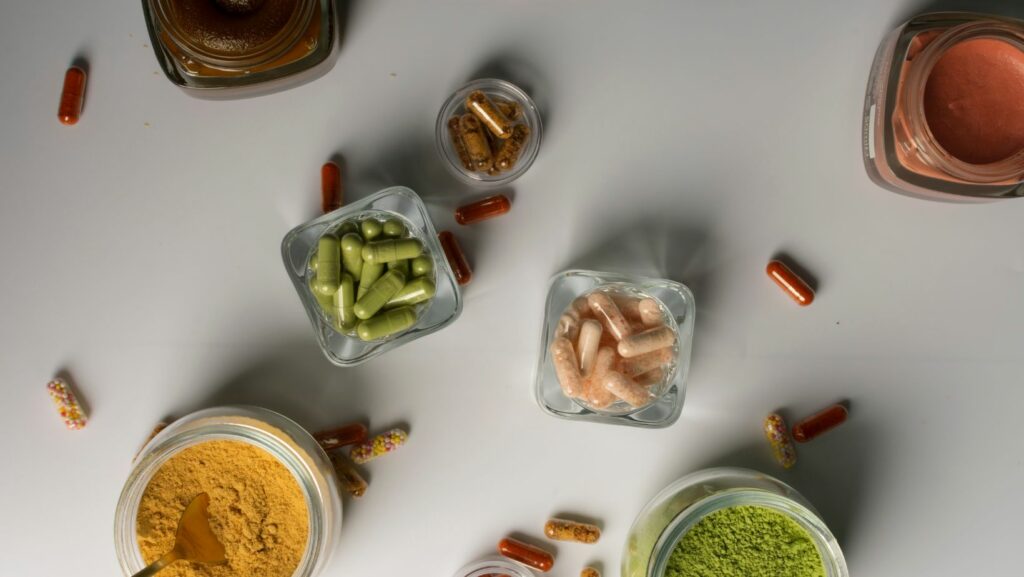
Many people wonder if herbal supplements are actually safe for prostate health. Most herbal supplements are considered safe for short-term use, but not all products are created equal, and some may interact with medications or cause side effects. Anyone thinking about using a supplement should carefully read the label and speak to a doctor before starting.
When choosing prostate health products, it is important to research the ingredients and find out if there is proper testing or evidence of safety. Some men look for safe prostate health supplements from Ben’s Natural Health or other similar brands since these focus on natural ingredients meant for prostate support.
Key Takeaways
- Herbal supplements for prostate health can be safe, but not all are risk-free.
- Users should check ingredients and ask their doctor before starting.
- Some natural supplements may support prostate health when used carefully.
Determining the Safety of Herbal Supplements for Prostate Health
Herbal supplements for prostate health are growing in popularity, but questions remain about their true safety and effectiveness. People want support for urinary symptoms, better quality of life, and peace of mind about cancer risk—but choosing the right supplements or diet isn’t always simple.
Overview of Common Herbal Supplements
Many prostate health supplements include saw palmetto, beta-sitosterol, pygeum (African plum), stinging nettle, and rye grass pollen extract. These supplements are often used to help relieve urinary symptoms linked with prostate enlargement. Other ingredients, such as pumpkin seed oil, zinc, selenium, and lycopene, are also featured in many formulas.
Some people turn to modified citrus pectin, nettle root, soy isoflavones, and certain antioxidant vitamins like vitamin D and vitamin E. Many clinical studies have looked at these ingredients, but results are mixed. Dietary changes, including more cruciferous vegetables, whole grains, and whole fruits, are sometimes suggested for prostate care.
Interactions and Safety Considerations
Supplements can interact with prescription medicines. For example, saw palmetto and melatonin may raise the risk of bleeding when taken with aspirin, ibuprofen, or blood thinners. This can be dangerous for some people, especially before surgery or if they have bleeding problems.
High doses of vitamins like vitamin E can lead to unwanted side effects or interact with other supplements. It is important to discuss any supplement use with a urologist or healthcare provider before starting. People should also check for possible interactions with drugs prescribed for prostate conditions or other medicines for chronic illnesses.
Potential Risks and Side Effects
Though many people believe herbal supplements are harmless, side effects are possible. Some supplements may upset the stomach or cause headaches. High doses of zinc or selenium may lead to nausea or digestive problems. Beta-sitosterol can sometimes cause mild digestive issues as well.
There is also concern that some prostate health supplements may affect prostate-specific antigen (PSA) levels, which makes it harder to monitor prostate cancer risk. Misleading claims about prostate supplements are common, and some products may be contaminated or include improper doses.
Regulation and Quality Standards
In many countries, dietary supplements are not reviewed the same way as prescription medicines. The FDA does not test these supplements for safety before they appear on store shelves. This means product quality and labeling can vary. Some supplements may not contain the ingredients or doses stated on the label.
It is safer to select supplements that have been tested for purity and quality by a third-party lab, though not all products have this assurance. Shoppers should look for certifications or seals that confirm quality checks have been done. It is also helpful to talk to a healthcare provider for advice on supplement safety.
Evaluating the Efficacy and Impact of Herbal Supplements on Prostate Conditions
Herbal supplements for prostate conditions attract interest due to their natural ingredients and traditional use. Current studies show that not all claims about their benefits are backed by strong clinical evidence, especially for complex problems like BPH or prostate cancer risk.
Effectiveness for Benign Prostatic Hyperplasia (BPH)
Benign prostatic hyperplasia causes an enlarged prostate and affects urine flow, mostly in older men. Herbal supplements such as saw palmetto, pumpkin seeds, rye grass pollen, and African cherry have been studied for their effects on BPH. Results are mixed.
Some patients report fewer lower urinary tract symptoms and better urine flow with these supplements. For example, saw palmetto is used often, but research shows it may work no better than a placebo for many men. Double-blind clinical trials have found modest benefits for mild to moderate BPH, but not for severe cases.
Other ingredients like phytosterols and green tea extracts are popular additions. Although these have anti-inflammatory properties, there is limited scientific evidence that they help prostate enlargement or inflammation in a meaningful way over the long term.
Influence on Prostate Cancer Risk
The idea that herbal supplements might affect prostate cancer risk is under investigation. Ingredients such as green tea, pomegranate extract, and certain plant sterols are studied for their antioxidant qualities. These plant compounds can influence inflammation and cell changes, but there is not enough clinical data to claim that these supplements prevent or treat prostate cancer.
None of the commonly used herbal supplements have shown clear benefits in lowering prostate-specific antigen (PSA) or reducing the risk of cancer. It is important for patients with prostate cancer or rising PSA to speak with a healthcare professional before using supplements, as some herbs could interfere with treatment.
Managing Urinary Symptoms and Quality of Life
Men with lower urinary tract symptoms such as weak stream, incomplete emptying, or nocturia often seek natural remedies. Some plant-based supplements may mildly improve these symptoms, but effects vary greatly from person to person.
Pumpkin seeds, rye grass extracts, and African cherry may ease urinary problems linked to BPH. The impact is usually described as mild to moderate. These supplements are generally considered safe for most, but side effects like stomach upset can occur.
Supplements do not cure underlying prostate issues but can be part of symptom management for some people. These products are not a substitute for prescribed medication or a healthy lifestyle, including a plant-based diet and regular exercise, which are both linked to prostate and heart health.
Conclusion
Herbal supplements for prostate health are widely used, but studies show mixed results on how well they work. While some people may notice benefits, many products lack strong scientific proof. Research suggests that some supplements do not only contain proven ingredients and may not have been tested as a whole.
People should talk to a healthcare provider before starting any supplement. This can help avoid unwanted side effects or interactions with other medicines.
Some simple ways to support prostate health include:
- Eating a balanced diet
- Getting regular exercise
- Following medical advice
Careful choices and open discussions with professionals can support better health for those thinking about herbal supplements.