






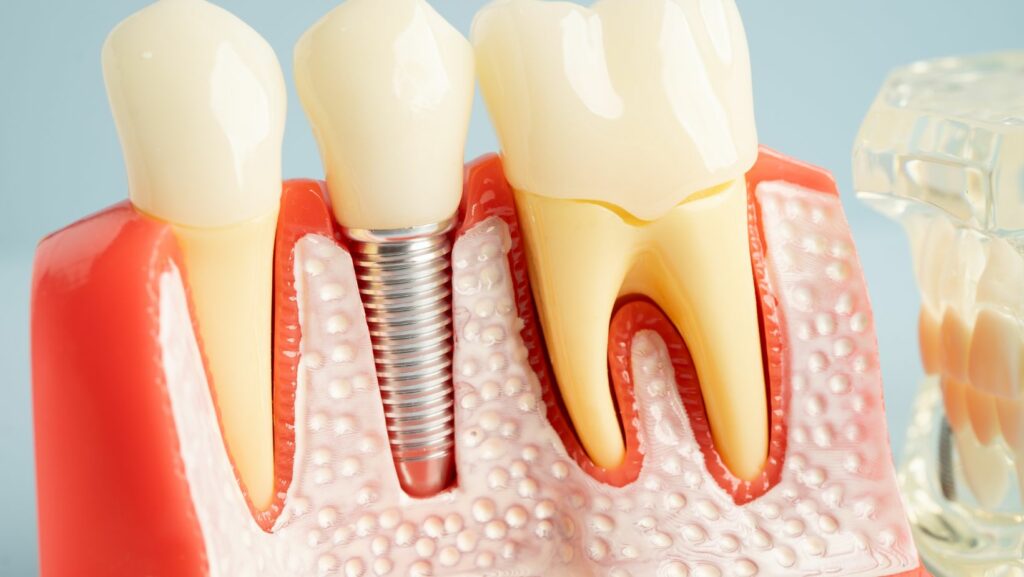
If you notice persistent tooth pain, sensitivity to hot or cold, or swelling around a tooth, you may need a root canal. A root canal is often necessary when the inside of your tooth, called the pulp, becomes infected or damaged, causing ongoing discomfort that won’t go away on its own.
Ignoring these signs can lead to more serious problems like infection or even tooth loss. Getting a root canal in North Carolina can save your tooth and relieve pain fast, often with a simple procedure that is usually done within one visit.
Knowing the key symptoms helps you act quickly and avoid costly treatments later. This article will help you understand the signs to watch for and why timely treatment matters for your dental health.
Key Symptoms Indicating a Potential Root Canal
If you notice strong, long-lasting pain in a tooth, or sudden sensitivity to hot and cold foods, these can be signs of serious tooth damage. Also, swollen or tender gums near a tooth might mean there’s an infection that needs quick attention.
Persistent Tooth Pain
You might feel a deep, throbbing pain in one tooth that doesn’t go away. This pain often gets worse when you bite down or chew. The pain may come and go but usually lasts longer than usual toothaches.
If you ignore persistent tooth pain, the damage inside the tooth can worsen. This pain happens when the nerve inside the tooth is infected or damaged. Early treatment can protect your tooth from further harm.
Sensitivity to Hot or Cold
When you eat or drink something hot or cold, your tooth may suddenly feel sharp pain or discomfort. This isn’t ordinary sensitivity—it can be a sign the nerve inside your tooth is inflamed.
You might notice that the pain lasts several seconds or more after the hot or cold stimulus is gone. The sensitivity happens because the damaged nerve reacts strongly to temperature changes.
Swollen or Tender Gums
If the gums near a tooth are swollen, red, or painful to touch, it often means infection is present. The swelling may also cause a small bump or pimple-like spot on your gum, which could release pus.
This happens when bacteria reach the tooth root and cause an abscess. Swollen gums can make chewing painful and may lead to bad breath or a bad taste in your mouth. Immediate dental care is important to stop the infection from spreading.
Visible Signs Suggesting the Need for Treatment
Certain changes to your tooth and gums can signal the need for a root canal. Paying attention to these visual clues can help you act before the infection worsens.
Darkening or Discoloration of the Tooth
If your tooth starts to look gray, brown, or black, this can mean the nerve inside it is damaged or dying. Discoloration happens because blood or tissue inside the tooth breaks down, causing it to darken. This change is often gradual, so you might not notice it at first.
A darkened tooth can also be more sensitive to hot or cold foods. This symptom, combined with the color change, suggests the tooth is infected or severely damaged. Waiting too long can make the problem worse, so it’s important to see your dentist once you spot this sign.
Pimple-Like Bumps on the Gums
Small bumps or pimples on your gums near a tooth could mean an abscess is forming. These bumps may look like white or red spots and can sometimes leak pus.
This happens when an infection inside the tooth spreads to the gum. You might feel tenderness or swelling around the bump. Ignoring these signs can lead to serious infection, so seek treatment quickly to save your tooth and avoid pain.
Understanding Root Canal Evaluation in North Carolina
Getting an accurate diagnosis for a root canal in North Carolina involves several key steps. These steps help identify the seriousness of your tooth problem and the best way to treat it. You will learn about important tools, how to pick the right dentist, and some local factors that affect your dental health.
Role of X-Rays and Dental Exams
X-rays are a vital part of root canal evaluation. They let your dentist see inside your tooth and jawbone. This helps find infection, decay, or damage that you cannot see with the naked eye.
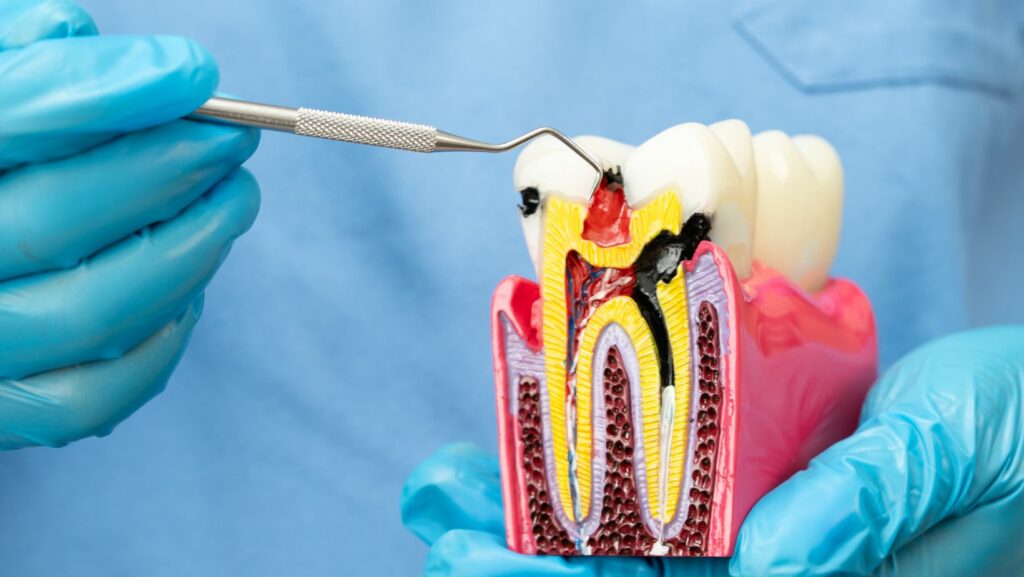
Your dentist will also do a dental exam to check your tooth’s sensitivity, swelling, and pain levels. They may test your responses to hot and cold or tap your tooth lightly to find the source of discomfort.
Together, X-rays and exams give a clear view of your tooth’s condition. This helps decide if a root canal is needed or if another treatment will work better for you.
Choosing a Qualified Dentist
When you need a root canal in North Carolina, choosing the right dentist matters. Look for a dentist who has experience in root canal treatments or an endodontist, a specialist in this area.
Check if your dentist uses modern tools like digital X-rays and microscopes. These improve the accuracy of diagnosis and treatment.
Ask about their success rates and patient reviews. A qualified dentist will explain the procedure clearly and answer your questions. Make sure you feel comfortable with their approach.
Local Factors Affecting Dental Health
In North Carolina, certain local factors can impact your dental health. Water fluoridation levels vary, which may affect how much protection your teeth have against decay.
Diet habits common in the area, like high sugar intake, also play a role in tooth health. Seasonal allergies can increase mouth breathing, which leads to dry mouth and higher risk of infections.
Access to dental care can differ depending on where you live. Urban areas usually have more specialists, while rural areas might require traveling for root canal treatment.
Understanding these factors helps you take better care of your teeth and know when to seek help for possible root canal needs.