






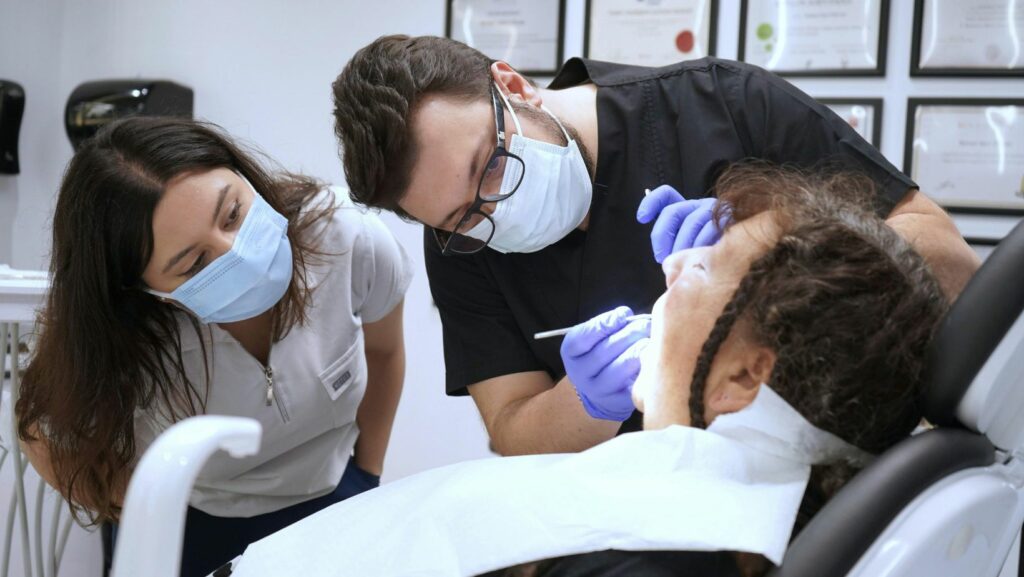
If you need complex oral surgery, the idea of the procedure can seem stressful or even scary. IV sedation dentistry helps make these treatments more comfortable by deeply relaxing you and reducing pain during the surgery. This makes it easier for you to stay calm, especially if you feel anxious or nervous about dental work.
With IV sedation, you stay awake but very relaxed, and the dentist can adjust the level of sedation as needed. This type of sedation is often stronger and more effective than oral sedatives, making it a good choice for long or complicated surgeries. You won’t feel the discomfort or remember much of the procedure, which helps many people get through their dental care without fear.
Choosing IV sedation means you can face your surgery with less stress and more ease. It offers a safer way to manage your comfort, so you can focus on healing and getting your smile back.
Understanding IV Sedation Dentistry
IV sedation dentistry uses medications to help you relax deeply during dental procedures. It controls anxiety and pain, letting you stay calm and comfortable even during long or complex oral surgeries. Different types of sedation can be tailored to your needs and the procedure’s demands.
What Is IV Sedation?
IV sedation means you receive a sedative drug through a vein, usually in your arm. The medicine works quickly to relax you, lowering your awareness of discomfort or fear. Unlike general anesthesia, you won’t be fully unconscious. You may feel drowsy or even sleep, but you can still respond to your dentist’s instructions if needed.
This method is especially useful if you have dental anxiety, a low pain threshold, or must undergo long, complicated treatments. It helps you stay calm throughout your appointment and can improve your overall experience.
How IV Sedation Works
The sedative enters your bloodstream directly, so it acts faster and can be precisely controlled during your treatment. Your dentist or anesthetist adjusts the dose to keep you at the right sedation level.
You may feel light-headed or relaxed soon after the IV is started. The sedative reduces your brain’s ability to focus on pain or sounds. Your breathing and heart rate are monitored closely to keep you safe during the procedure.
After your treatment, the effects wear off relatively quickly, but you’ll need someone to drive you home and stay with you for a few hours.
Types of Sedation Used in Dentistry
Dental sedation comes in several forms:
- Nitrous Oxide (Laughing Gas): You breathe it in through a mask. It calms but usually doesn’t put you to sleep. Effects wear off quickly.
- Oral Sedation: Pills you take before the procedure. These make you relaxed but awake. The dose can vary from mild to moderate sedation.
- IV Sedation: Delivered through a vein. It works fast and allows better control over sedation depth. You remain semi-awake or lightly asleep.
- General Anesthesia: Used rarely in dental offices. It puts you fully to sleep and requires more monitoring.
IV sedation is often chosen because it provides a strong calming effect without full unconsciousness. It’s safe, adjustable, and helps you get through complex oral surgery with less stress.
Benefits of IV Sedation for Complex Oral Surgery
IV sedation helps you stay calm and relaxed during long or difficult oral surgery. It also allows your dentist to work more efficiently and gives you little memory of the procedure afterward. These benefits work together to make your dental experience smoother and less stressful.
Enhanced Comfort and Anxiety Reduction
IV sedation puts you in a deeply relaxed state. It works quickly because the medication enters your bloodstream directly. This means if you feel nervous or scared before surgery, the sedation can reduce those feelings almost right away.
You stay awake but feel very calm. This helps you handle long or painful procedures without discomfort. Your heart rate and breathing slow down, making you feel safe during surgery. The sedation can also reduce gag reflex or movement, so the doctor can work better.
Because you feel less anxious, you might recover with less stress afterward. This makes the whole surgery easier on your body and mind.
Precision and Efficiency During Procedures
Since IV sedation keeps you relaxed and still, your dentist can focus better on the surgery. You won’t feel the need to move or resist, allowing the dentist to work carefully without interruption.
IV sedation is adjustable. Your dentist can give more or less medication depending on the length and difficulty of the procedure. This flexibility ensures you stay comfortable the entire time.
Many complex surgeries take hours. IV sedation helps maintain steady comfort during these long sessions. This can lead to better results because your surgeon can perform each step with full attention, not rushed by patient discomfort.
Minimized Memory of the Procedure
One common benefit of IV sedation is partial or full amnesia about the surgery. You might not remember much, if anything, about the treatment once it’s over.
This is helpful for people who fear dental work. Not recalling the details reduces mental stress and makes future appointments less scary.
The memory loss does not affect your normal brain function after you wake up. You’ll feel alert but calm, with no confusing or unpleasant thoughts about the procedure lingering.
This feature of IV sedation helps many patients avoid trauma linked to complex oral surgery.
Safety and Patient Considerations
IV sedation dentistry includes careful patient screening, strict safety checks during your treatment, and clear guidance for recovery. These steps help make your oral surgery as safe and comfortable as possible.
Eligibility and Assessment Process
Before you receive IV sedation, a detailed medical evaluation is done. This includes reviewing your health history, current medications, allergies, and any past reactions to sedatives. Dentists need this information to decide if IV sedation is safe for you.
Certain conditions, like severe heart or lung problems, may require extra caution or a different sedation method. Your dentist will also assess your anxiety level and the complexity of the procedure to determine the right sedation dose.
You might need to follow specific instructions before your appointment, such as fasting for a few hours. This helps prevent complications during sedation.
Monitoring and Safety Protocols
During your procedure, trained staff closely monitor your vital signs, including heart rate, blood pressure, breathing, and oxygen levels. This monitoring ensures your safety throughout the sedation.
Dentists use equipment like pulse oximeters and blood pressure monitors to track you continuously. They adjust sedation levels as needed to keep you comfortable but responsive.
Emergency equipment and medications are always ready in case of rare complications. Sedation is administered by professionals trained to manage any risks quickly.
All dental offices providing IV sedation must follow strict safety standards and protocols to protect their patients.
Recovery and Aftercare Guidance
After your procedure, you will be observed until the sedation wears off enough for you to sit up and communicate clearly. You should not drive or operate machinery for at least 24 hours.
You may feel groggy or weak for a while. Drinking water and resting can help speed up your recovery. Your dentist will give you instructions about eating, medications, and signs to watch for.
If you experience symptoms like severe nausea, difficulty breathing, or unusual pain after leaving, contact your dentist or seek emergency care immediately. Following aftercare instructions helps you heal safely and comfortably.
Choosing IV Sedation Dentistry for Oral Surgery
Deciding on IV sedation means balancing your comfort with the complexity of the procedure. Understanding different sedation methods and talking with your oral surgeon helps you make the best choice for your situation.
Comparing Sedation Options
You can choose between oral sedation and IV sedation for dental procedures. Oral sedation involves taking a pill before your appointment. It helps reduce anxiety but can take longer to start and may not fully calm you during long or complex surgeries. IV sedation is delivered directly into your bloodstream, working faster and providing a deeper level of relaxation.
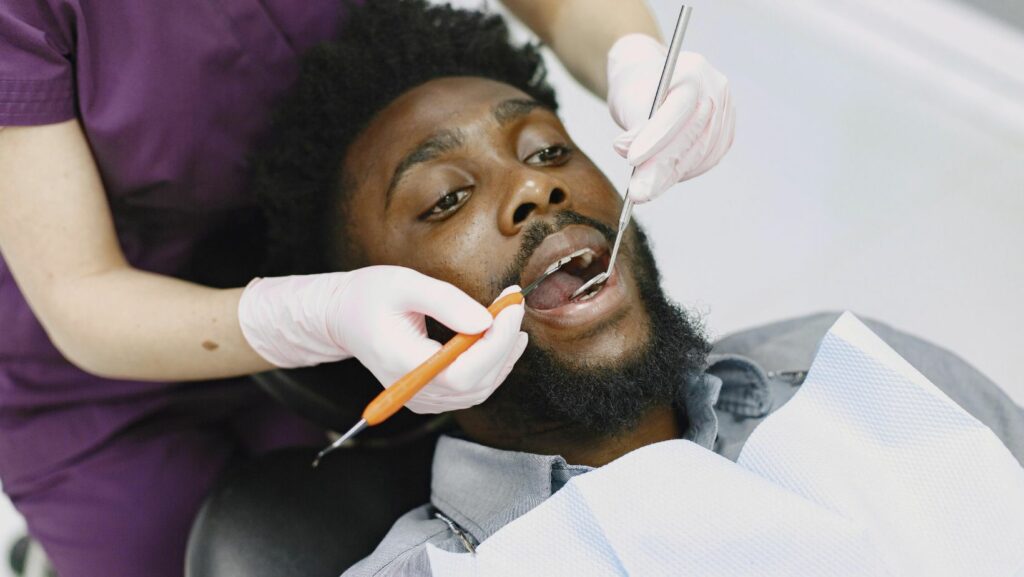
IV sedation also allows the dentist to adjust the sedation level quickly while the procedure is happening. This flexibility makes it better for lengthy surgeries or for people with severe dental anxiety. Both methods are safe when supervised by trained professionals, but IV sedation usually offers more control and comfort during complicated oral surgeries.
| Factor | Oral Sedation | IV Sedation |
| Onset Time | 30-60 minutes | 1-5 minutes |
| Depth of Sedation | Mild to moderate | Moderate to deep |
| Adjustability | None during procedure | Adjustable in real-time |
| Best For | Mild anxiety, short procedures | Severe anxiety, long/complex surgery |
Consulting With Your Oral Surgeon
Before surgery, talk openly with your oral surgeon about your fears, health history, and the nature of the surgery. They will assess if IV sedation is suitable for you based on your anxiety level and the length or difficulty of the procedure.
Ask specific questions about the sedation process, including preparation steps and what to expect during recovery. Your surgeon will explain risks and benefits clearly, helping you feel confident in your choice. Sharing any medications or health issues ensures your safety during sedation. A good consultation creates a plan that keeps you comfortable and safe throughout your oral surgery.