


You can cut big dental bills by stopping problems before they start. Regular cleanings, checkups, and simple steps at home catch decay and gum disease early, so you avoid costly treatments like crowns, root canals, or extractions. Spending a little on prevention usually saves a lot over time.
This post will show how skipping care can raise costs, which preventive actions make the biggest difference, and how to build an affordable plan that fits your life. You’ll get clear, practical steps to protect your smile and your wallet.
The True Cost Of Dental Neglect
Ignoring small dental problems can lead to bigger bills, lost time, and health risks. Below are specific ways delaying care raises costs and affects your life.
Financial Impact Of Delaying Dental Visits
Skipping routine cleanings and exams may save you one or two copays, but it raises the odds of expensive treatment later. A routine cleaning costs far less than a filling, and a filling costs far less than a crown or root canal. Emergency visits also carry higher fees and often need imaging or specialist referrals.
You may lose work time for emergency care. That lost income adds to direct dental bills. If your insurer limits coverage for major procedures, you could face large out-of-pocket costs for crowns, implants, or extractions.
Long-Term Expenses Of Untreated Oral Issues
Untreated cavities and gum disease often progress without pain at first, then require complex treatment. A small cavity can become a root canal with a crown. Periodontal disease can lead to tooth loss and the need for bridges, dentures, or implants, each costing thousands.
Repeat treatments add up over years. Repairs and replacements wear on both teeth and wallet. Preventive steps like sealants, fluoride, and twice-yearly exams usually cost a fraction of restorative work and reduce the chance you’ll need major procedures.
Consequences For Overall Health And Associated Costs
Oral infections can spread and cause systemic problems that increase medical bills. Advanced gum disease links to higher risk for heart disease, diabetes complications, and pregnancy issues. Treating those medical conditions can be far more expensive than dental prevention.
Hospital and emergency room visits for dental problems are common and costly. Managing chronic conditions made worse by oral disease increases medication, specialist, and monitoring costs. Investing in basic dental care helps reduce these downstream medical expenses.
How Preventive Dental Care Minimizes Spending
Regular cleanings, sealants, and checkups catch problems early, avoid big repairs, cut down on urgent visits, and keep family dental costs steady. Small, routine steps protect teeth and control what you pay over months and years.
Early Detection And Intervention
You save money when a dentist identifies problems before they become severe. A small cavity detected during a routine checkup usually requires a simple filling, which costs far less than a root canal or crown later on.
Dentists can also catch gum disease in its early stages. With timely cleanings and improved home care, you may avoid deep scaling procedures, surgery, or tooth loss. Detecting enamel wear or bite misalignment early allows you to correct habits like grinding before they lead to costly restorative work. Routine exams and X-rays help monitor subtle changes so treatment can begin before pain develops.
Preventive care also protects the appearance of your smile. Visiting a skilled cosmetic dentist in Sparta, WI ensures small aesthetic concerns—such as chips, discoloration, or uneven edges—are addressed early, preventing more extensive and expensive cosmetic procedures in the future.
Reducing The Need For Major Procedures
Preventive care lowers the chance you’ll need crowns, implants, or root canals. Cleanings remove plaque and tartar that lead to decay and infection. Fluoride treatments and sealants strengthen teeth and protect molars from cavities.
You pay less when you replace one filling instead of reconstructing a tooth. Treating gum inflammation early prevents bone loss that leads to implants or dentures. Using daily flossing and proper brushing reduces future work.
Many major procedures also mean multiple visits, lab fees, and temporary appliances. Preventive care keeps treatments simple and fewer in number, so your total cost stays lower.
Lowering Emergency Dental Costs
Emergency visits often cost more because they involve urgent exams, X-rays, and immediate procedures. Preventive care cuts emergency trips by preventing sudden pain, broken teeth, and infections.
If you get regular care, small issues are fixed before they become emergencies. That means fewer urgent extractions, temporary fixes, or emergency root canals. You avoid after-hours fees and rushed treatment choices that can cost more later.
Having a routine dentist also gives you a known provider during problems. That continuity often leads to faster, more cost-effective care than using emergency clinics or ERs for dental needs.
Protecting Family Dental Budgets
Preventive care spreads costs predictably across the year for every family member. Routine exams, cleanings, and sealants for children are usually inexpensive and often covered by insurance. This reduces the chance of sudden high bills for teens and adults.
Teaching kids good habits and using sealants on molars lowers cavity rates and future fillings. Adults who keep regular visits avoid costly restorations that can strain a family budget. Many clinics offer family plans or discounted preventive packages to keep yearly spending steady.
Budgeting for prevention also lets you use insurance benefits fully. Preventive services that insurers cover at low or no cost give you high value and fewer out-of-pocket surprises.
Key Preventive Practices And Long-Term Savings
You will reduce the chance of costly treatments by catching problems early, removing harmful buildup, and strengthening vulnerable teeth. These actions lower the odds of root canals, crowns, and extractions over time.
Routine Dental Checkups
Schedule checkups every six months, or as your dentist recommends. During a visit, the dentist examines teeth, gums, bite, and restorations to spot early decay, gum disease, or wear. Early detection often means a small filling instead of a crown or root canal later.
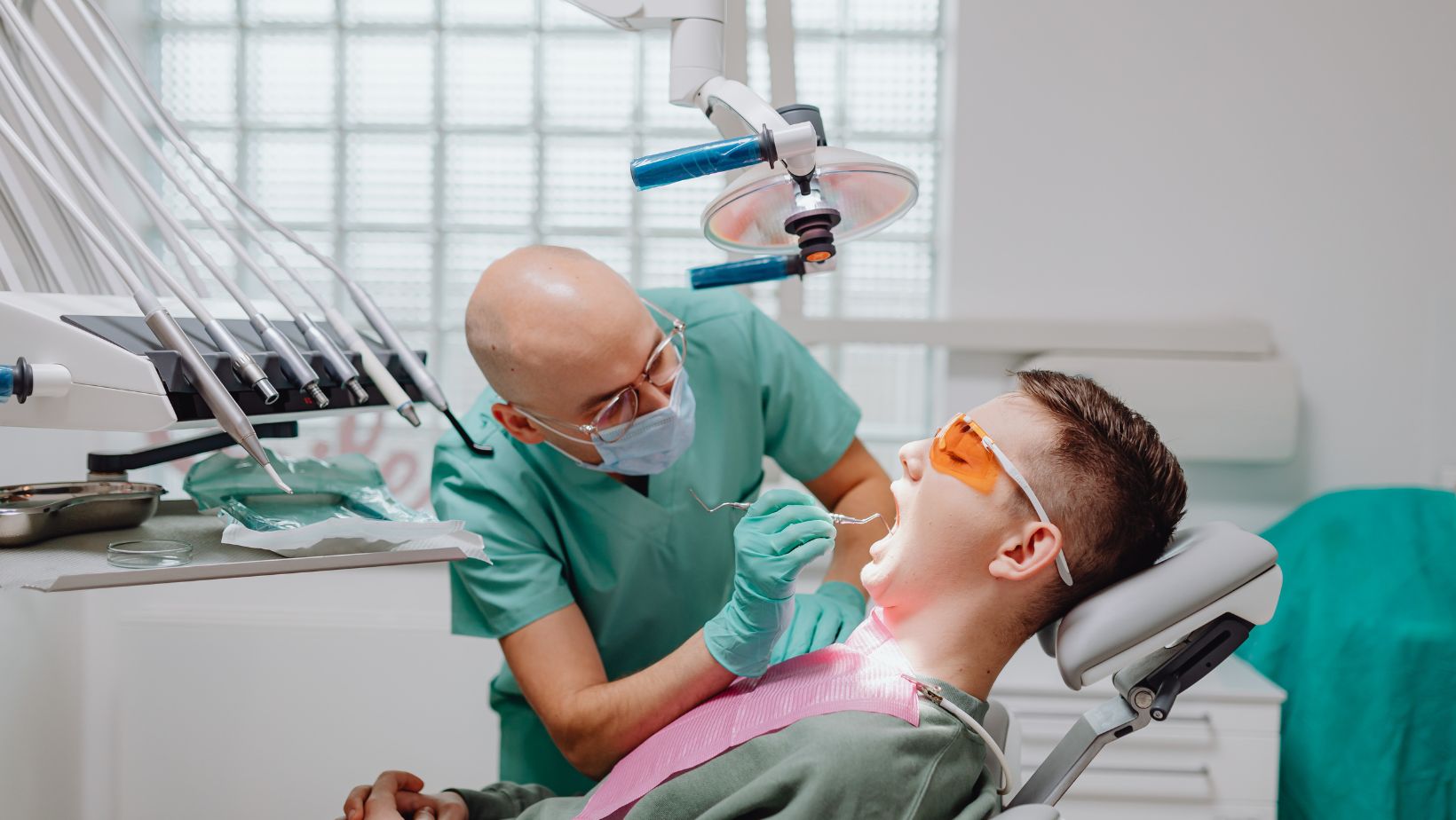
X-rays taken at checkups reveal issues between teeth or below the gum line that you can’t see or feel. Identifying an infection or cyst early prevents emergency treatment and higher bills.
Bring a list of symptoms or changes you notice, like sensitivity, bleeding, or loose fillings. Clear communication helps your dentist make targeted, less costly choices.
Professional Cleanings
Professional cleanings remove plaque and tartar that brushing and flossing miss. Hygienists scale and polish teeth, lowering your risk of cavities and gum disease—conditions that lead to expensive procedures if they progress.
Cleanings include a hygiene exam that checks for early gum inflammation and tissue loss. Treating gingivitis now avoids periodontitis later, which can require deep cleanings, surgery, or tooth replacement.
Most insurance plans cover two preventive cleanings per year. Use those visits to keep treatment minimal and predictable.
Sealants And Fluoride Treatments
Dental sealants are thin protective coatings applied to molars’ chewing surfaces. They block grooves where food and bacteria collect, cutting cavity risk for children and adults with deep pits.
Professional fluoride treatments strengthen enamel and reverse tiny areas of decay before they need fillings. Your dentist may recommend fluoride if you have sensitivity, dry mouth, or frequent cavities.
Both sealants and fluoride are low-cost compared with restoring a tooth. Ask your dentist if they fit your risk profile; targeted use saves money by preventing future repair work.
Building A Cost-Effective Preventive Dental Plan
Focus on using insurance smartly, keeping a strong at-home routine, and choosing a provider who emphasizes prevention. These steps lower the chance of costly procedures and help you plan predictable expenses.
Optimizing Dental Insurance Benefits
Review your plan’s preventive coverage and calendar-year maximums. Most plans cover two cleanings and exams per year at little or no cost; schedule both early to avoid hitting limits late in the year.
Know waiting periods and frequency limits for X-rays, fluoride, and sealants. If your plan requires in-network care for full benefits, pick an in-network office to reduce out-of-pocket costs.
Use flexible spending accounts (FSA/HSA) for copays and treatments not fully covered. Track deductible progress so you can time higher-cost treatments in the year when your deductible is already met.
Incorporating At-Home Preventive Care
Brush twice daily for two minutes with fluoride toothpaste and floss once a day to cut plaque buildup and reduce cavities. Replace your toothbrush every three months or after illness.
Add targeted tools if you need them: interdental brushes for wide gaps, a fluoride mouthwash if your dentist recommends it, or a soft electric toothbrush if you find it easier to maintain proper technique.
Keep a simple log or reminder on your phone for dental tasks and appointments. Early action on small issues—like sensitivity or a loose filling—often prevents emergency visits that cost far more.
Choosing The Right Dental Care Provider
Pick a dentist who emphasizes prevention and explains costs clearly. Ask about their approach to early intervention, the frequency of recommended visits, and examples of noninvasive treatments they prefer.
Compare fees for common services (cleaning, X-rays, sealants) and check patient reviews for communication and honesty about billing. Confirm whether they accept your insurance and offer payment plans or in-office membership plans for uninsured care.
Meet the team for a brief consult to gauge comfort and trust. A provider who educates you and catches problems early helps lower long-term expenses.