






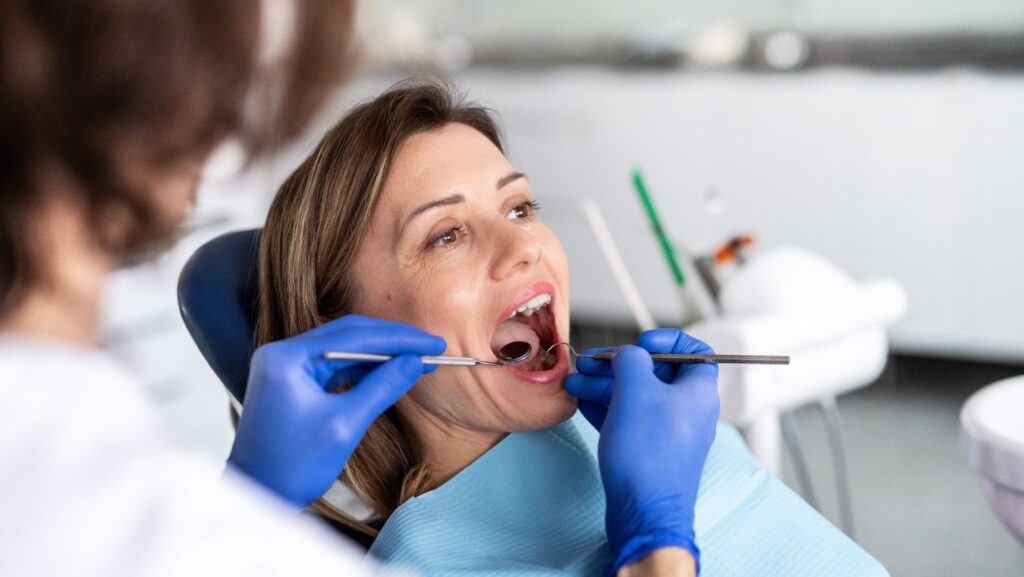
You protect your smile and avoid major dental expenses by scheduling routine cleanings that remove plaque and tartar before they lead to cavities or gum disease. Preventive visits stop small problems from progressing into costly treatments such as root canals, gum surgery, or tooth loss. Early detection and consistent maintenance help you avoid infection and more complex restorative procedures later.
You’ll learn how professional cleanings safeguard your teeth and gums, how skipping appointments can increase long-term costs, and what additional benefits regular dental visits provide. While prevention is the most cost-effective strategy, untreated decay or advanced gum disease can eventually result in missing teeth that require solutions like dental implants in Stuart, FL. This guide outlines practical reasons to keep cleanings part of your overall health plan so you can reduce risk and protect your long-term investment in your smile.
How Routine Dental Cleanings Protect Oral Health
Routine cleanings remove buildup, check for problems, and keep gums healthy to help you avoid more invasive and costly care later.
Removal of Plaque and Tartar
Plaque is a sticky film of bacteria that forms on teeth after eating. You can remove fresh plaque with brushing and flossing, but hardened tartar (calculus) bonds to tooth surfaces and needs special tools to lift it away.
During a cleaning, a hygienist uses scalers and ultrasonic instruments to remove tartar from above and below the gum line. Removing this buildup lowers your risk of enamel loss and tooth decay because bacteria no longer sit against your tooth surfaces. Cleanings also polish teeth to remove surface stains and make it harder for plaque to reattach.
Prevention of Gum Disease
Gum disease starts when plaque and tartar inflame the gums. In early stages (gingivitis) you may see bleeding, redness, or bad breath. If left untreated, it can progress to periodontitis, where gums pull away and bone supporting teeth is lost.
Regular cleanings stop disease progression by removing the bacterial deposits that cause inflammation. Hygienists measure pocket depths and advise targeted home care when pockets are deep. Professional cleanings plus good daily brushing and flossing reduce bleeding, lower pocket depths over time, and help you keep teeth stable in the jaw.
Early Detection of Oral Health Issues
Dental cleanings include a visual exam and often X-rays. These let your dental team spot cavities, hairline cracks, early bone loss, and signs of infection before you feel pain.
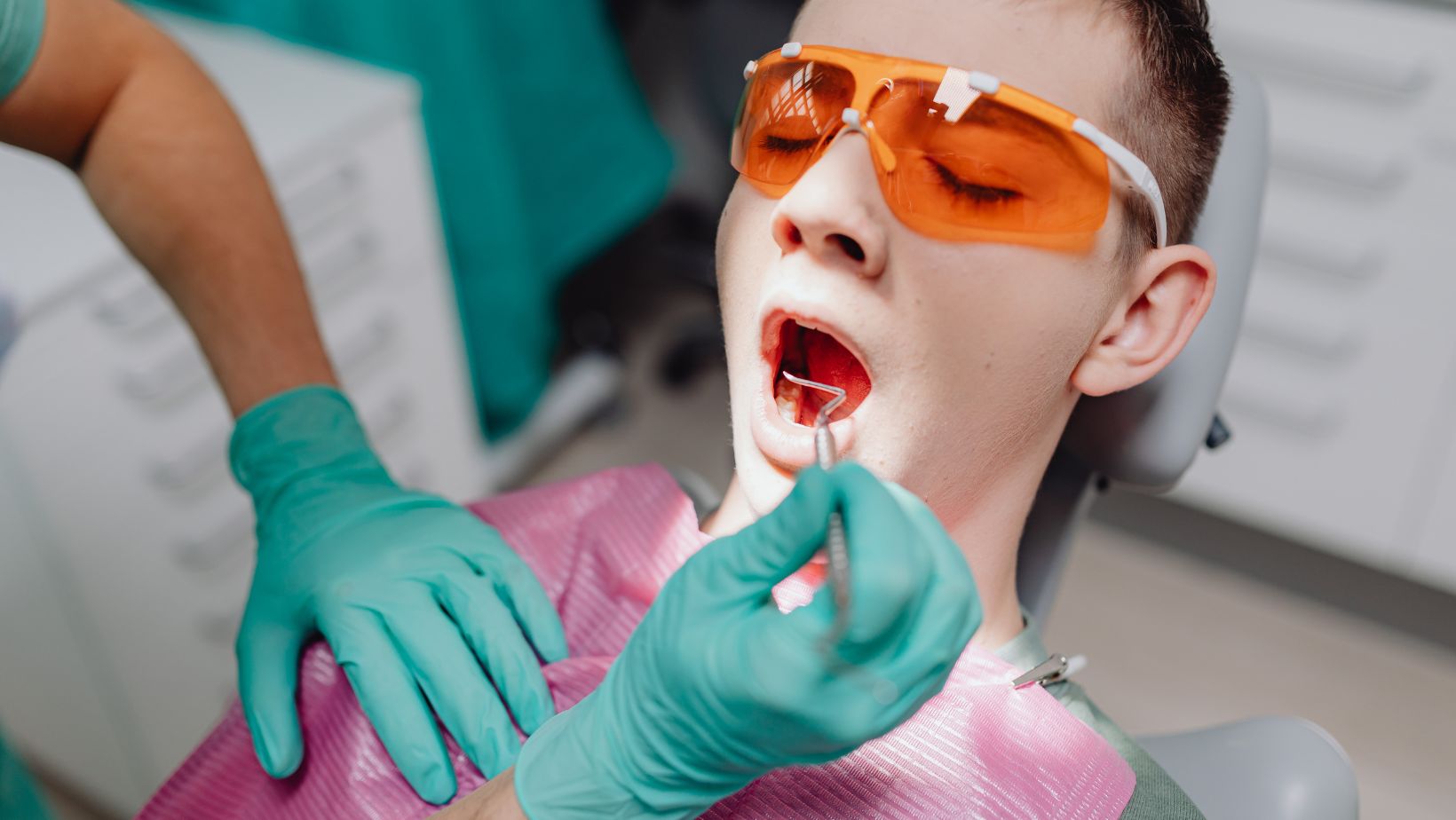
Catching problems early means simpler fixes: a small filling instead of a root canal, or a localized gum treatment instead of surgery. Your dentist can also spot non-dental issues like oral cancer signs or medication-related changes and refer you for prompt care. Regular visits give a record of change, so subtle problems don’t get missed.
Financial Impacts of Skipping Regular Cleanings
Skipping cleanings raises the chance you’ll need fillings, root canals, or extractions. It also increases the odds of urgent care visits and higher long-term costs from lost teeth or advanced gum disease.
Avoidance of Expensive Dental Procedures
When you miss cleanings, plaque hardens into tartar that only a dentist can remove. Tartar and unchecked decay can lead to cavities that require fillings. If decay reaches the tooth nerve, you may need a root canal and crown, which often cost several times more than a cleaning.
Gum disease that starts as gingivitis can progress to periodontitis. Advanced periodontitis can require deep cleanings (scaling and root planing), gum surgery, or tooth extraction. Each step raises your out-of-pocket costs and may require prosthetic replacements like bridges or implants, which carry substantial expenses.
Reduction in Emergency Dental Costs
Skipping regular visits increases the chance you’ll need emergency care for sudden pain, infection, or broken teeth. Emergency visits often include x-rays, antibiotics, and urgent procedures billed at higher rates than scheduled care.
You can avoid emergency room bills by catching issues early. A simple filling detected at a routine visit is less costly than an emergency root canal. Regular cleanings let your dentist spot small problems before they become painful or require day-of-service emergency fees.
Long-Term Savings from Preventive Care
Paying for two cleanings a year plus periodic x-rays usually costs far less than treating advanced problems later. Preventive care reduces the need for complex procedures, lowering cumulative dental expenses over a decade.
Insurance plans often cover routine cleanings fully or at a higher percentage than restorative work. Staying current with cleanings helps you use that benefit and avoid large deductibles or coinsurance for major treatments. Preserving your natural teeth also saves you the long-term costs of replacements and related maintenance.
Additional Benefits of Routine Dental Visits
You get hands-on help for daily care and a clearer picture of how your mouth affects the rest of your health. Visits give specific steps you can use now and tests that catch problems before they cost more.
Personalized Oral Hygiene Advice
Your dentist or hygienist will check how you brush and floss and point out exact trouble spots. They may show you the right angle for your toothbrush, recommend a brush type, or suggest flossing tools for tight spaces between teeth.
They will tailor fluoride, sealant, or prescription-strength toothpaste recommendations to your needs. If you wear braces, a retainer, or have crowns, they explain special cleaning steps to protect those appliances and lower infection risk.
You may receive a short, written plan with products and timing to follow at home. That plan reduces plaque buildup and cuts the chance you’ll need fillings, root canals, or gum surgery later.
Improved Overall Well-Being
Routine visits let your dentist spot signs of systemic issues like diabetes or vitamin deficiencies that show in your mouth. Early detection can send you to a primary care doctor sooner, which can lower long-term health costs.
Cleanings also reduce harmful bacteria and inflammation in your gums. That lowers the risk of infections that can affect your heart or lungs, and it can lessen chronic bad breath that affects work and social life.
If anxiety or pain makes you avoid care, regular, gentle visits build trust and make future treatments easier. You keep healthier teeth and spend less on emergency or complex procedures.