






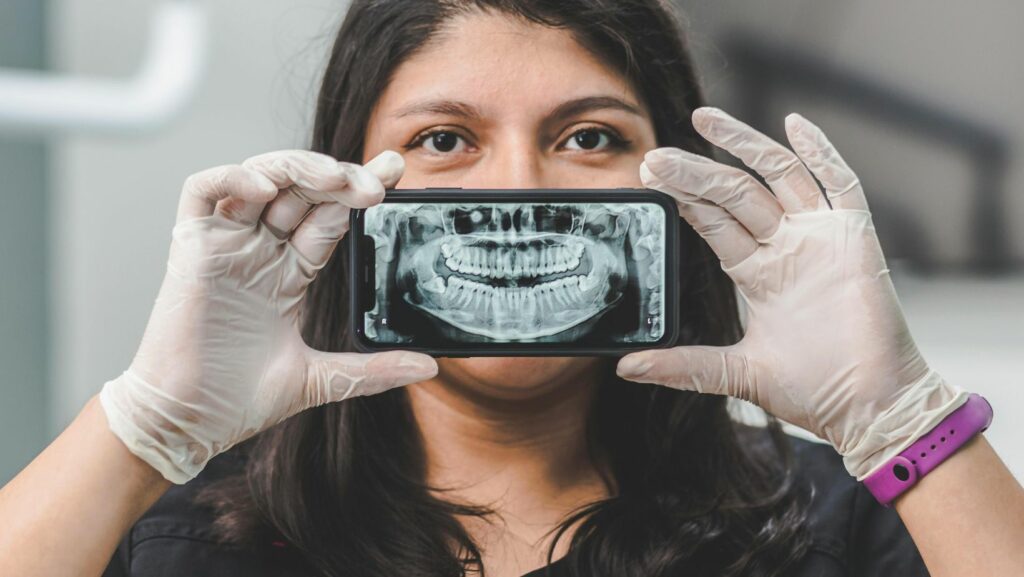
If you want a dental implant in Greenville, SC that lasts, your jawbone must be strong enough to hold it. A healthy jawbone lets the implant fuse securely, and when bone is missing, grafting rebuilds the foundation so the implant can succeed.
You’ll learn why jawbone health matters, how bone grafting works, and what factors affect healing and long-term results. This article will walk you through the key steps and choices so you can feel confident about the path to a stable, lasting implant.
Jawbone Health and Its Role in Dental Implant Success
Your jawbone must be dense, wide, and healthy to hold an implant like a natural tooth root. If the bone is weak or has shrunk, the implant may fail, move, or cause other oral problems.
Importance of Bone Density and Volume
Bone density and volume determine how well an implant will stay in place. Density means how hard the bone is; volume means how much bone there is. Both matter because implants rely on bone to fuse and stay stable.
If your bone is dense and has enough height and width, the implant post will integrate quickly and bear chewing forces. Low density or thin bone increases risk of loosening and fracture of the implant or surrounding bone. Your dentist looks for at least a few millimeters of healthy bone around the planned implant site to ensure long-term support.
Factors that reduce density and volume include long-term tooth loss, gum disease, infections, and certain medical conditions. Smoking and some medications also slow bone healing and lower success rates.
How Jawbone Deterioration Affects Implants
When bone shrinks after tooth loss, it changes the shape and strength where the implant must sit. Reduced height can expose implant threads; reduced width can make the implant unstable. Both outcomes raise the chance of implant failure.
Deterioration also affects the bite and nearby teeth. If the bone can’t support an implant, the implant may tilt or shift under chewing. That can damage the implant, the crown, or the remaining natural teeth. You may also face gum recession or infections around the implant if the bone does not seal well.
Early detection matters. If bone loss is present, you might need a graft or other procedures before or during implant placement to avoid these problems.
Assessing Jawbone Quality Before Implant Placement
Your dentist will use a clinical exam and imaging to check bone quality. Common tools include digital X-rays and CBCT scans that show bone height, width, and density in three dimensions. These images help pick the right implant size and angulation.
During the exam, your provider checks for infection, gum health, and past bone loss patterns. They may measure bone thickness and map nerve or sinus locations to avoid complications. If scans show insufficient bone, options include bone grafting, ridge expansion, or choosing a narrower or shorter implant.

You should share your medical history, smoking habits, and any medications that affect bone healing. That information helps the team plan a safe, stable implant approach.
Bone Grafting for Dental Implants: Procedures and Techniques
You’ll learn which graft materials dentists use, how the graft heals, and the newer tools that make grafting safer and faster. Expect clear steps, healing timelines, and options that fit different bone loss situations.
Types of Bone Grafts Used in Implant Dentistry
Bone grafts replace or build jawbone so implants have stable support. Your dentist will choose a graft based on how much bone you need, where it’s missing, and whether you want faster healing or less surgery.
Common types include:
- Onlay grafts: add volume to the outer jaw surface for wide bone loss.
- Block grafts: solid pieces of bone fixed with screws when you need a lot of height or width.
- Ridge augmentation: rebuilds the gum ridge after long-term tooth loss.
- Sinus lift (sinus augmentation): raises the sinus floor to add bone in the upper back jaw.
Each method differs in invasiveness, time to heal, and how soon an implant can be placed. Discuss location-specific risks, such as sinus complications for upper molars.
Autograft, Allograft, and Xenograft Options
You can get graft material from your own body or from other sources. Each has pros and cons for healing and infection risk.
- Autograft (your bone): taken from another site like the chin or hip. It integrates fastest and has living cells that speed healing. It requires a second surgical site and more recovery.
- Allograft (donor human bone): comes from screened human donors and is treated to remove cells. It avoids a second surgery and provides a good scaffold for new bone. Integration can be slightly slower than autograft.
- Xenograft (animal bone): usually bovine. It provides strong structural support and resorbs slowly. Implants often wait longer after xenografts because the material persists while new bone grows.
Some grafts include synthetic materials (calcium-phosphate, bioactive glass). Your dentist balances healing speed, surgical risks, cost, and how much new bone you need.
Healing Process After Bone Grafting
Healing follows predictable stages but varies by graft type and how large the graft is. Expect a mix of swelling, tenderness, and gradual bone formation.
First 1–2 weeks: soft tissue closes and initial inflammation reduces. Follow pain meds, cold packs, and a soft diet.
Weeks 6–12: the grafted site begins to form new bone. Cells migrate into the graft; blood vessels grow in. If you had an autograft, this stage often progresses faster.
3–6 months (or longer): bone matures enough for implant placement. Your dentist will use X-rays or CBCT scans to confirm bone volume and density before drilling for an implant.
Follow your surgeon’s instructions closely. Smoking, poorly controlled diabetes, and infection slow healing and raise failure risk.
Technological Advances in Bone Grafting
New tools make grafting more precise and less invasive, improving outcomes and recovery time.
- CBCT imaging: gives 3D views of bone volume and sinus anatomy so your dentist plans exact graft size and implant position.
- 3D-printed scaffolds and guides: custom-fit graft shapes and surgical guides reduce time in the chair and improve accuracy.
- Growth factors and biologics: platelet-rich fibrin (PRF) and bone morphogenetic proteins (BMPs) speed tissue and bone formation when added to grafts.
- Minimally invasive techniques: small-incision sinus lifts and tunneling approaches lower pain and swelling.
Ask if these options apply to your case. They can affect cost, healing time, and how soon your implant can be placed.
Factors Impacting Bone Graft and Implant Outcomes
The main drivers of graft and implant success are your health, habits, and the timing of procedures. Each affects healing, bone growth, and long-term stability in clear, measurable ways.
Patient Health and Medical History
Your overall health shapes how well a bone graft integrates. Diabetes, especially when poorly controlled, slows healing and raises infection risk. Make sure your blood sugar is stable before surgery; your dentist may ask for recent A1c results.
Medications also matter. Bisphosphonates and certain immune-suppressing drugs can affect bone remodeling and raise complication risks. Tell your provider about prescription drugs, over-the-counter meds, and supplements like aspirin or vitamin D.
Past radiation to the head and neck, autoimmune disease, or untreated gum disease (periodontitis) reduce graft success. Your dentist will assess medical records, imaging, and oral health and may refer you to a specialist if risks are high.
Smoking and Lifestyle Influences
Tobacco use significantly lowers graft and implant success. Smoking cuts blood flow, reduces oxygen to tissues, and impairs new bone formation. If you smoke, quitting at least several weeks before grafting and during the healing period improves outcomes.
Alcohol use in large amounts slows healing and increases infection risk. Maintain moderate or no alcohol use around surgery and healing.
Nutrition and exercise matter too. Protein and vitamin D support bone repair, while obesity and sedentary habits can raise inflammation and slow recovery. Follow your dentist’s advice on diet, activity, and any supplements they recommend.
Timing Between Bone Graft and Implant Placement
The interval between grafting and implant placement depends on graft type, location, and how well you heal. For small grafts, your provider may place the implant at the same time. For larger grafts, they often wait 4–9 months to allow bone to mature.
Autografts (your own bone) usually integrate faster than some synthetic or allograft materials. Your dentist uses imaging to check bone volume and density before placing the implant.
Rushing the implant into underdeveloped bone raises implant failure risk and marginal bone loss. Waiting too long without follow-up can allow resorption. Your care team will set a specific timeline and monitor healing with X-rays and clinical checks.