




Table of Contents
ToggleAging changes how you chew and digest food in ways you’ll notice. Tooth loss, weaker jaw muscles, less saliva, and shifts in taste and smell can make chewing tougher and eating less fun. Slower gut motility and altered stomach acid can affect digestion and how your body absorbs nutrients. Addressing tooth loss and dry mouth early with a practice like Parkside Dental Care can make a real difference in keeping eating comfortable as you age.
This article unpacks how mouth changes can lead to chewing and swallowing problems. It also covers how your digestive system responds to aging, common issues like constipation and dysphagia, and practical nutrition tweaks to help you stay nourished and comfortable.
Physical Changes in the Mouth With Age
Your mouth doesn’t stay the same as you get older. Teeth wear down or fall out, saliva dries up, and your jaw alignment can shift a bit.
Each of these changes affects how you break down food and protect your gums and tongue. It’s a bit of a domino effect, honestly.
Dental Health and Tooth Loss
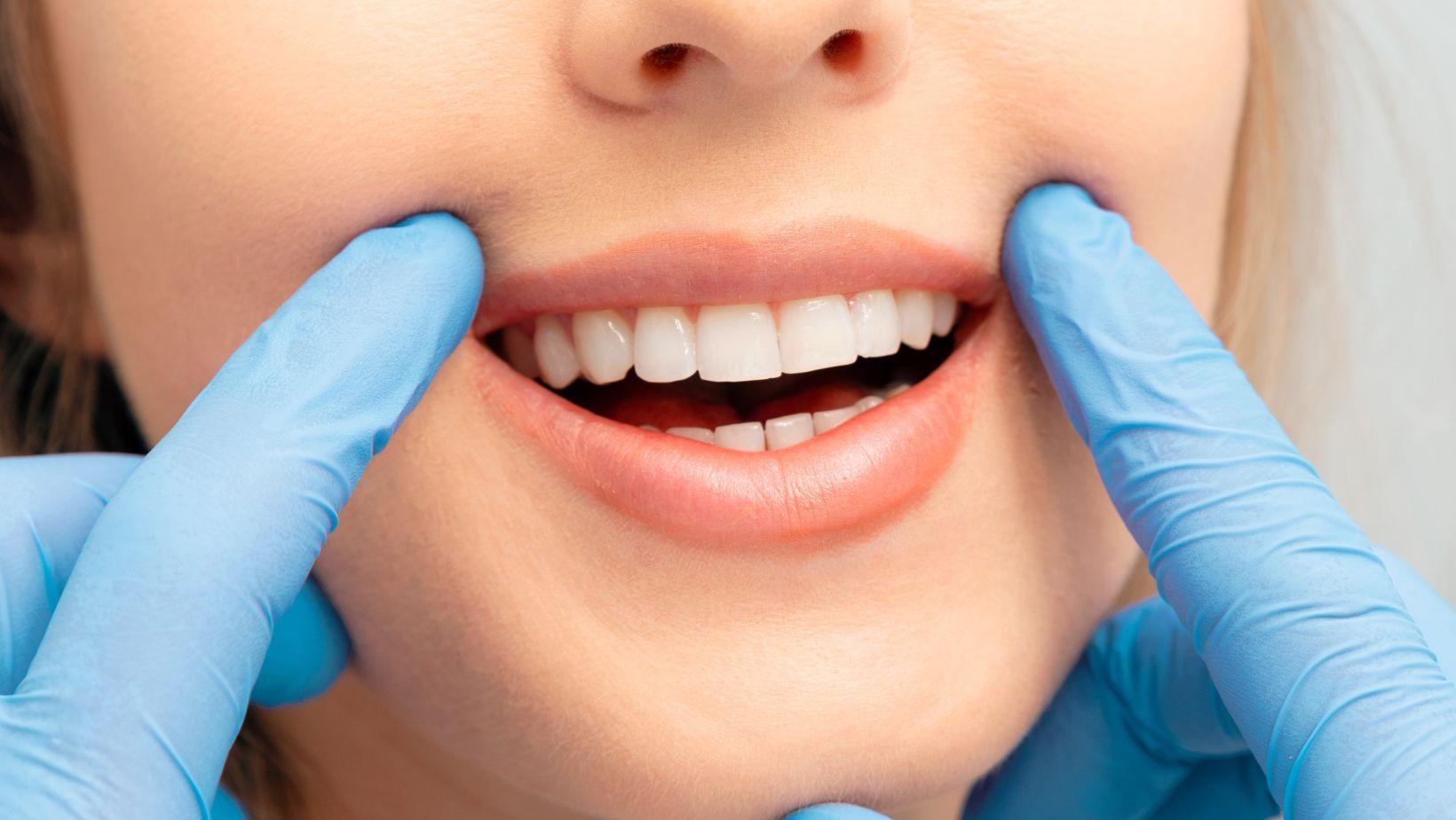
Tooth enamel wears away over time from chewing and acidic foods, making teeth more sensitive and prone to cracking. Gum disease and root decay show up more often, loosening teeth, and missing molars mean you can’t grind food as well.
If you lose teeth, your chewing force drops. You might start favoring one side, which puts more stress on the teeth and jaw joints you have left.
Dentures and implants help, but they’re not all equal. Well-fitted implants keep bite strength up, while poorly fitting dentures can slip around and make chewing less effective.
Keep up with dental exams and cleanings. Treat cavities and gum disease quickly, and replace missing teeth so your bite stays aligned.
Reduction in Saliva Production
Saliva usually drops off with age, and lots of meds (antidepressants, antihistamines, diuretics) dry your mouth out even more. Less saliva makes it harder to form a food bolus, dulls your sense of taste, and bumps up your risk for cavities and infections.
You might notice your mouth feels sticky or you need more water with meals. Saliva has enzymes that kick off digestion, so when it’s low, starch breakdown slows and your stomach has to work harder.
If dry mouth’s a problem, talk to your doctor about your meds, try sugar-free lozenges or saliva substitutes, keep hydrated, and steer clear of alcohol and tobacco.
Alterations in Jaw and Bite Alignment
Bone loss in the jaw and shifting teeth can mess with your bite (occlusion), leading to uneven chewing surfaces. Bruxism, tooth wear, and losing back teeth can throw your bite off, making chewing less efficient and tiring your jaw muscles out.
TMJ arthritis or degeneration can limit how wide you open your mouth and change how your jaw moves. When your jaw mechanics shift, you might start using your throat muscles more, which isn’t great for swallowing.
Dentists can help with bite adjustments, prosthetics, or even physical therapy for TMJ to get things working better again.
Impacts on Digestive System Function
Aging can mean weaker digestion, slower food movement, and less production of digestive juices. This can reduce how well you absorb nutrients, raise your risk for constipation, and change what foods you tolerate.
Changes in Enzyme Production
Your pancreas and small intestine usually make fewer enzymes as you get older, so it’s tougher to break down proteins, fats, and carbs. High-fat or high-protein meals might leave you feeling bloated or gassy, or even give you loose stools.
If you’ve got pancreatic issues (like chronic pancreatitis or past surgery) or take meds that mess with enzymes, you’ll notice this more. You can help by eating smaller, more frequent meals, chewing thoroughly, and sticking with easy-to-digest proteins like fish, eggs, or well-cooked beans.
Doctors can check for malabsorption and suggest enzyme replacements or supplements if you need them. Keep an eye on your weight, energy, and stools—if you’re losing weight or have ongoing diarrhea, check in with your provider.
Slower Gastrointestinal Motility
The muscle contractions that push food through your gut slow down as you age, especially in the colon. This means stool spends more time in your large intestine, often leading to constipation and harder stools.
Reduced motility can also change how you experience reflux and bloating. Delayed stomach emptying or slower colon movement can crop up with diseases like diabetes or certain meds (opioids, some anticholinergics).
To help things move, gradually add more fiber, drink plenty of fluids, and stay active. Bulk-forming or osmotic laxatives might help for a bit, but talk to your doctor before using stimulant laxatives long-term.
Weaker Stomach Acid Secretion
Your stomach tends to make less hydrochloric acid as you age, so it’s not as good at breaking down proteins or absorbing certain nutrients (B12, iron, calcium). Less acid can also let more bacteria survive and make it into your small intestine, which sometimes means bloating or even bacterial overgrowth.
Taking acid-suppressing drugs (PPIs, H2 blockers) for a long time can make this worse, increasing infection and deficiency risks.
If you think you have low stomach acid—maybe you feel full quickly, get bloated, or have nutrient deficiencies—don’t stop your meds without talking to your doctor. They can check your B12 and iron and help you adjust your diet or supplements.
Common Eating and Swallowing Difficulties
Aging changes how your mouth, throat, and gut handle food. You might chew more slowly, have a weaker bite, or sometimes struggle to move food from your mouth to your throat.
Chewing Fatigue and Discomfort
You might feel your jaw muscles get tired after meals or notice pain in your TMJ. Tooth loss, worn enamel, receding gums, and ill-fitting dentures all make chewing harder, so you end up working more to break down food.
Here are a few things you can try:
If chewing hurts or you can’t eat what you want, see a dentist or doctor to rule out infections, TMJ issues, or bite problems.
Challenges With Swallowing (Dysphagia)
Swallowing takes a lot of coordination between your tongue, throat, and esophagus. As you age, muscle weakness and less sensation can throw off this sequence. You might cough or choke with drinks, feel food stick in your throat, or notice you’re clearing your throat more.
Watch for these signs:
Some things that might help:
Nutrition Strategies for Older Adults
Focus on food texture, digestion support, and balanced nutrition to keep eating safe and enjoyable. Small changes to how you prep and combine foods can lower choking risks, ease digestion, and help you avoid nutrient gaps.
Adapting Food Textures
Change up food textures to match what you can chew and swallow, but still keep meals tasty and nutritious. Use moist, soft-cooked veggies, mashed or pureed fruits, and finely chopped proteins to make eating easier. Braise, steam, or slow-cook meats so they’re tender—flaked fish is a great, easy protein.
You might try:
Add sauces, gravies, or broths for moisture and calories without piling on salt. Make sure dentures fit right, and see your dentist if chewing is still tough. Skip sticky, dry, or hard foods that could cause choking.
Promoting Digestive Wellness
Support digestion with a few targeted habits and tweaks. Eat smaller, more frequent meals to reduce the load on your stomach and help your appetite. Chew slowly and thoroughly—smaller bites make swallowing safer.
Drink water between bites, add soups, or chew sugar-free gum to boost saliva. Add fiber gradually (think oats, cooked apples, mashed beans) to help with constipation, but keep an eye on how you feel. If you get reflux or gastroparesis, cut back on high-fat and spicy foods, and stay upright for at least half an hour after eating. If meds are affecting your digestion or swallowing, talk to your doctor, and don’t hesitate to ask for a referral to a speech-language pathologist if you’re coughing during meals.
Maintaining Balanced Diets
Go for nutrient-dense foods that match your chewing ability and energy needs. Try getting about 20–30 g of protein at each main meal.
Soft-cooked eggs, Greek yogurt, cottage cheese, tofu, tender poultry, and fish all work well. Protein keeps your muscles and chewing strong, so don’t skip it.
If you’re not getting enough, add fortified foods or supplements. Calcium- and vitamin D-fortified milk alternatives can help, or maybe oral nutrition supplements if you’re losing weight.
Some folks need B12 if their absorption’s low. Use a simple plate model: fill half with vegetables or fruits (cooked or soft), one-quarter with protein (soft or minced), and the last quarter with well-cooked whole grains or starchy veggies.
Always check with your provider before starting new supplements, especially if you’re already taking a bunch of medications.