






Deciding between permanent dental implants and removable solutions can feel overwhelming, but the choice rests on clear differences in function, comfort, and long-term cost. If you want a option that feels and works most like natural teeth and often proves more cost-effective over time, permanent implants usually offer the best long-term value.
You will weigh factors like jaw bone health, budget, lifestyle, and how long you want the solution to last. This article compares how each option performs, talks about durability and ongoing costs, and helps you see which choice fits your needs so you can make a confident decision with your dentist.
Comparing Permanent Dental Implants and Removable Solutions
You’ll learn how each option is built, what it feels like day to day, and how they stay in place. This helps you weigh durability, care, and comfort for your situation.
Definition and Types of Permanent Dental Implants
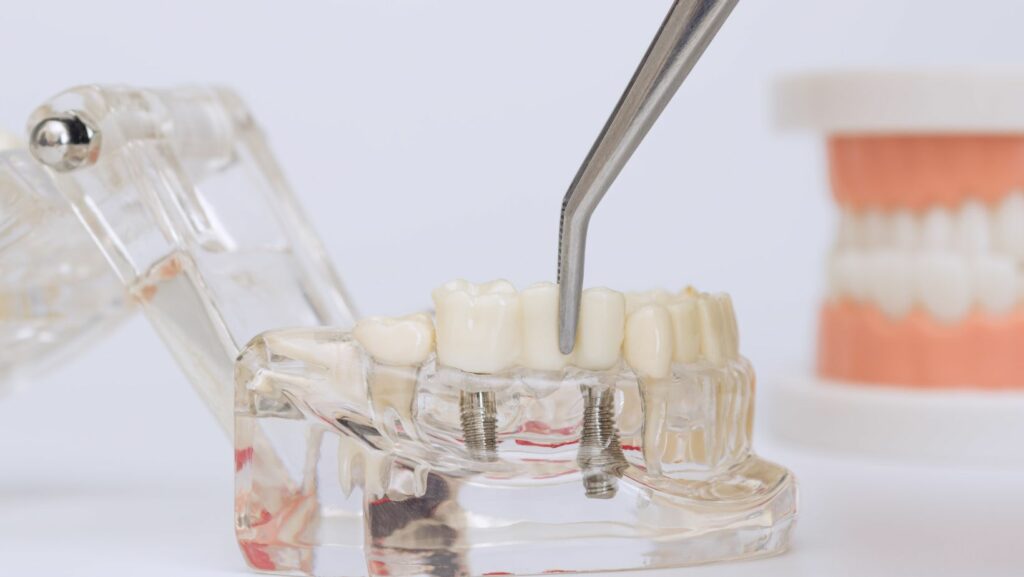
Permanent dental implants use a titanium or zirconia post placed into your jawbone to act as a tooth root. A crown, bridge, or fixed prosthesis attaches to the post.
Common types include single-tooth implants, implant-supported bridges for several missing teeth, and full-arch fixed prostheses (often called All-on-4 or All-on-6).
Benefits you can expect: strong bite force, bone preservation where the implant stimulates the jaw, and long lifespans when well cared for.
Surgical steps and healing time vary; you may need bone grafting or multiple visits before the final restoration is fitted.
Definition and Types of Removable Solutions
Removable solutions include traditional dentures and implant-retained overdentures that you can take out daily. Traditional dentures rest on the gums and rely on suction or adhesives.
Implant-retained overdentures snap onto implants but remain removable for cleaning.
Removable options usually cost less upfront and avoid the full surgery of fixed implants. They may need relines, new adhesives, or replacement over time as your jaw changes.
You’ll manage cleaning outside the mouth and expect periodic adjustments for fit and comfort.
How Each Option Functions in Daily Life
With permanent implants, you eat, speak, and sleep without removing your teeth. Brushing and flossing mirror natural teeth care, though you’ll check around implant margins and see your dentist for periodic checks.
Fixed implants feel stable and support normal chewing of tougher foods.
Removable solutions change your routine. You remove them to clean and may use adhesives for a better fit. Eating sticky or hard foods can be harder, and you might notice shifting while talking or chewing.
Implant-retained overdentures improve stability over traditional dentures but still require daily removal and extra cleaning steps.
Long-Term Value and Durability
You should weigh how long each option lasts, what upkeep it needs, and how it affects your mouth and wallet over time. Read these points to compare lifespan, cost trends, and health trade-offs.
Lifespan and Maintenance Requirements
Permanent implants are titanium posts fused to your jawbone. With good oral hygiene and regular dental checkups, implants and their crowns often last 15–30 years or more. You still need to brush twice daily, floss around the implant, and visit your dentist every 6–12 months to check for bone loss or gum inflammation.

Removable solutions like full dentures or removable implant-supported prostheses need more frequent adjustments. You may require rebasing, relining, or replacement every 5–10 years as jaw shape changes. Daily cleaning is essential to prevent staining, odor, and sores. Removable parts can break and need repairs sooner than fixed implants.
Investment and Cost Over Time
Upfront cost for a single dental implant plus crown commonly runs several thousand dollars, depending on location and materials. Over decades, implants often cost less per year because they usually need fewer replacements. You should factor in occasional crown replacement and follow-up imaging.
Removable dentures usually cost less initially—often hundreds to a few thousand dollars. But expect recurring costs for relines, adhesives, repairs, and replacements. If you replace dentures every 7–10 years, total lifetime spending can approach or exceed the implant route. Check your insurance and plan for potential bone grafts or extractions that add to implant expense.
Potential Health Benefits and Risks
Implants help preserve jawbone by transmitting chewing forces to bone. This lowers the risk of bone shrinkage and facial collapse over time. You also get better chewing efficiency and often clearer speech. Risks include surgical complications, infection, and implant failure; smoking, diabetes, and poor oral care raise those risks.
Removable dentures do not stop jawbone loss and may speed bone resorption in some areas. Denture wearers can experience sore spots, reduced chewing strength, and changes in speech. Well-fitting implant-supported removable prostheses reduce some problems, but they still require maintenance and can harbor bacteria under the device if not cleaned properly.
Suitability and Patient Considerations
You will weigh medical fit, daily habits, and how repairs and appearance affect your life. These choices change with your health, budget, and the time you want to spend on care.
Candidacy and Eligibility Criteria
Your jawbone quality matters. Good bone height and density let implants anchor securely. If bone is thin, you may need grafting or sinus lifts before implants.
Medical conditions affect choices. Diabetes, smoking, or medications that slow healing raise risks for implants. Removable dentures often suit patients with health limits or who prefer fewer surgeries.
Age alone is not a barrier, but you need realistic expectations. Older adults can do well with implants if bone and health permit. Your dentist will review scans, medical history, and oral exams to recommend the safest option.
Lifestyle and Comfort Factors
Think about daily care and manual skills. Implants act like natural teeth and need normal brushing and flossing. Removable options require cleaning outside the mouth and can be easier if you have trouble flossing.
Consider eating habits. Implants let you bite into firmer foods without slipping. Dentures may limit crunchy or sticky foods and can need adhesive for stability.
Travel, budget, and time matter. Implants require multiple visits and higher upfront cost. Removable solutions cost less initially and allow quicker completion but may need repairs and replacement over time.
Aesthetic and Functional Outcomes
If you want a natural look and feel, implants score higher. They preserve bone, support facial contours, and match adjacent teeth more closely. That helps speech and chewing with minimal movement.
Removable devices can still look good, especially new denture materials and teeth shapes. But they may show a gum line or feel bulkier than implants.
Think long term about maintenance. Implants rarely need prosthesis replacement and hold function for many years when cared for. Removable restorations can wear down and require periodic relines or new prostheses.
Decision-Making and Professional Guidance
You should weigh practical factors like budget, health, and daily routine. Also consider how much maintenance you can commit to and what outcomes matter most, such as chewing strength or appearance.
Evaluating Individual Needs and Preferences
List your priorities first. Ask yourself: Do you want chewing power close to natural teeth? Are you willing to pay more up front for a long-lasting solution? Do you have medical conditions (diabetes, osteoporosis) or take medications that affect healing?
Check your jawbone with imaging. Implants need sufficient bone; bone grafts add time and cost. Removable options often work with less bone and fewer surgeries.
Think about daily life. If you travel, removable dentures may fit your routine better because of easier repairs. If you want to avoid adhesives and worry about slippage, fixed implants give more stability.
Budget and insurance matter. Calculate total costs: surgery, lab fees, follow-up visits, and possible future repairs. Balance short-term savings against long-term value.
Consulting with Dental Professionals
Bring a list of medical history and medicines to your appointment. Your dentist or oral surgeon will evaluate bone quality, gum health, and risk factors using X-rays or CBCT scans.
Ask specific questions: How many visits and months will treatment take? What are realistic chewing and speaking outcomes? What complications could happen, and how often do they occur in the practitioner’s patients?
Request a written treatment plan that shows timelines, all costs, and who handles each step (surgeon, restorative dentist, lab). Get a second opinion if major surgery or significant expense is involved.
Choose a clinician with proven experience in the option you prefer. Check before-and-after photos, patient reviews, and ask about complication and success rates for similar cases.